About Concrete Cube Moulds
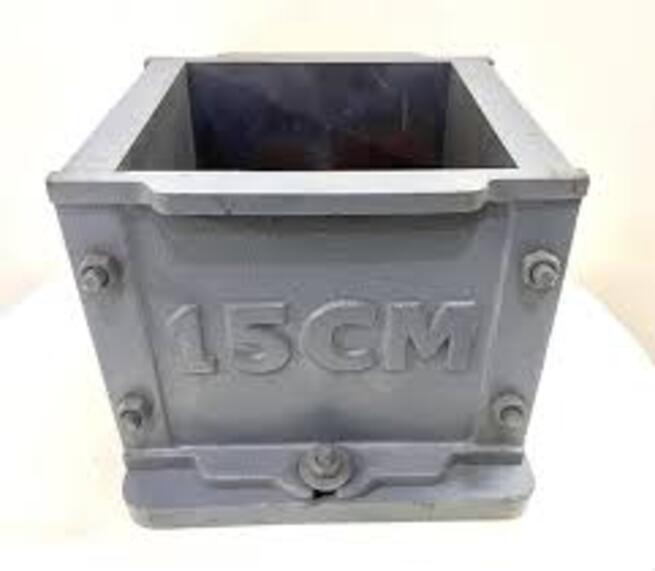
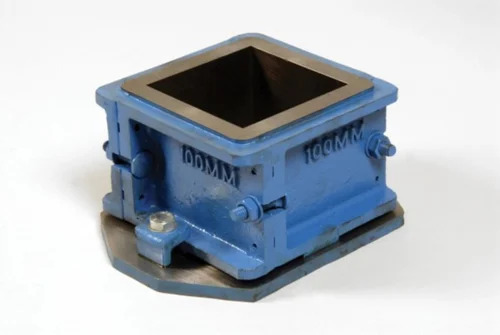
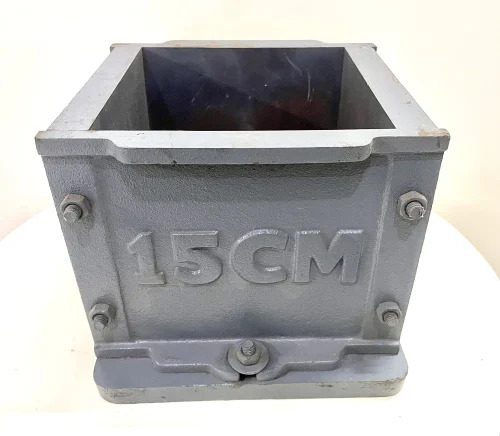
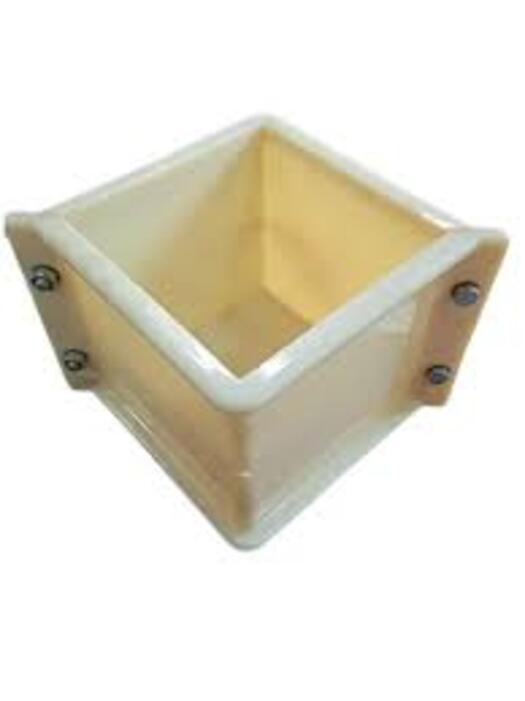
Concrete Cube Moulds are essential testing tools used for casting concrete specimens to evaluate compressive strength in construction and civil engineering applications. These moulds are manufactured with high precision using superior quality cast iron, mild steel, or durable plastic to ensure accurate dimensions, strength, and long-lasting performance.
Designed with smooth inner surfaces, the moulds provide uniform specimen casting and reliable test results. They are available in various standard sizes such as 505050 mm, 100100100 mm, and 150150150 mm to meet different testing requirements. The moulds feature a robust, leak-proof construction and are easy to assemble and dismantle for convenient use and demoulding.
Suitable for both laboratory and field testing, concrete cube moulds comply with standard testing norms and are widely used in quality control processes.
Key Features:
- Available in multiple sizes: 50 mm, 100 mm, 150 mm
- Made from cast iron, mild steel, or plastic
- High dimensional accuracy
- Smooth machined inner surface
- Strong, durable, and wear-resistant
- Leak-proof and easy to assemble
- Reusable and easy to maintain
Applications:
- Concrete compressive strength testing
- Construction quality control
- Civil engineering laboratories
- Research and educational institutions
Specifications:
- Sizes: 505050 mm, 100100100 mm, 150150150 mm
- Material: Cast Iron / Mild Steel / Plastic (PVC/ABS)
- Shape: Cube
- Surface Finish: Smooth interior
- Standard Compliance: As per IS standards
Precision Machining as per IS StandardsEvery concrete cube mould is meticulously manufactured with internal dimensions that adhere strictly to IS specifications. This ensures high accuracy and repeatability in results during concrete strength testing, supporting laboratories in delivering trustworthy data for quality control.
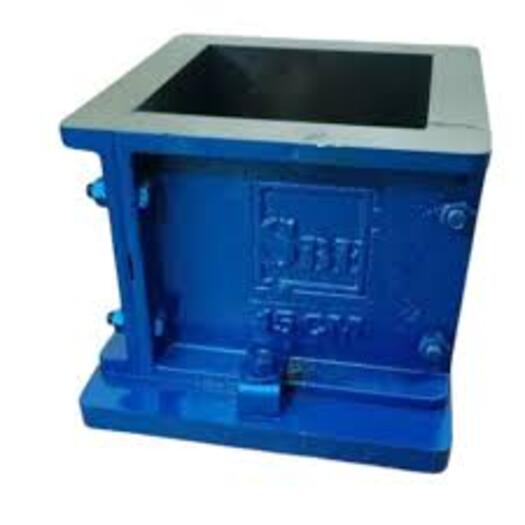
Durable Construction for Extended UseMade from robust steel or cast iron, these cube moulds boast a corrosion-resistant painted finish in blue or black, enhancing their longevity. With a life span exceeding 5000 cycles and a mould weight between 7-12 kg, they are built to withstand continuous usage in demanding environments.
Versatile and Easy AssemblyAvailable in single or multiple cavity options, and featuring a bolted detachable base plate, these moulds facilitate straightforward assembly and demoulding. Their structural design suits both compression shaping mode and repeated use, making them an essential for manufacturers and testing laboratories across India.
FAQ's of Concrete Cube Moulds:
Q: How are concrete cube moulds used in concrete strength testing?
A: Concrete cube moulds are used to shape fresh concrete into standard-sized cubes, which are cured and then subjected to compression tests. This process helps determine the compressive strength of the concrete.
Q: What sizes of cube moulds are available and why are different sizes offered?
A: The available sizes are 50 mm, 70.6 mm, 100 mm, and 150 mm, adhering to standard testing requirements. Different sizes allow versatility for various test specifications and sample types in quality control labs.
Q: When should I use a steel vs. cast iron concrete cube mould?
A: Both steel and cast iron options offer durability. Steel moulds are generally lighter and easier to handle, while cast iron models are favored for their rigidity and wear resistance in high-frequency testing environments.
Q: Where are these moulds typically used in India?
A: These cube moulds are commonly used in construction material testing laboratories, infrastructure projects, cement manufacturing units, and research institutions across India.
Q: What is the assembly process for the cube mould?
A: The mould comes with a bolted, detachable base plate. To assemble, simply bolt the base plate securely to the side walls, ensuring tight seals for accurate specimen moulding. This feature allows easy demoulding after testing.
Q: How does the corrosion-resistant painted finish benefit the user?
A: The blue or black paint coating offers resistance to corrosion, protecting the mould during washing and repeated use, thereby prolonging its service life and ensuring consistent accuracy.
Q: What are the maintenance recommendations for prolonging mould life?
A: To achieve the 5000+ cycles lifespan, it is advisable to clean and dry the mould thoroughly after each use, periodically check for wear, and reapply paint to prevent corrosion as necessary.

 Send Inquiry



 Send Inquiry

 Send Inquiry