Cube Mould 50x50x50mm About
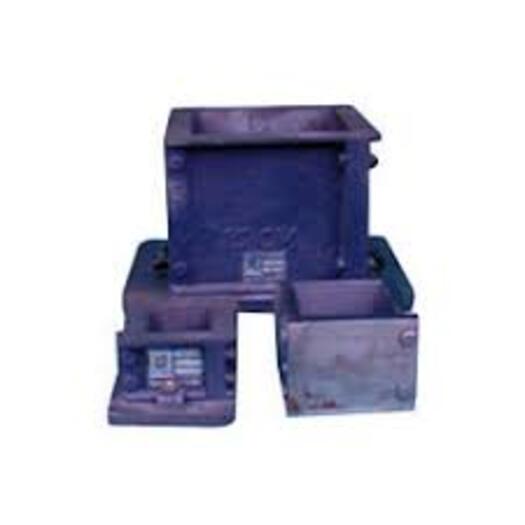
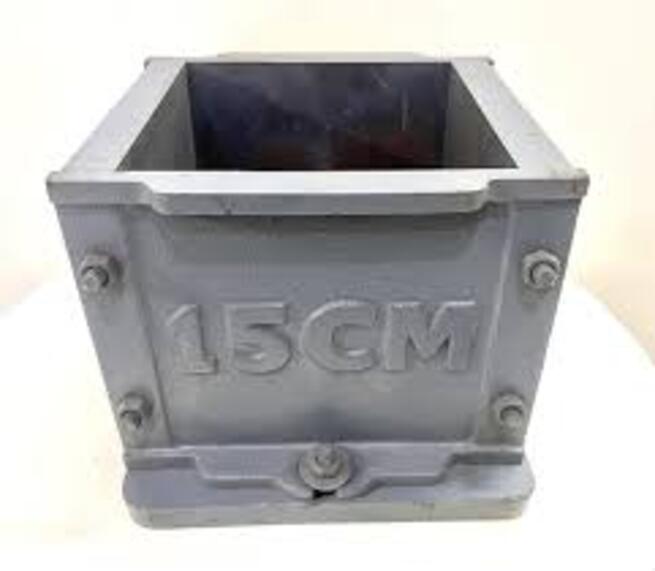
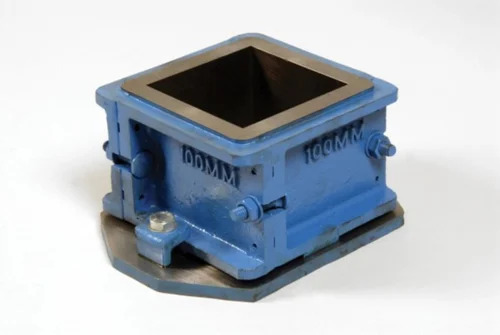
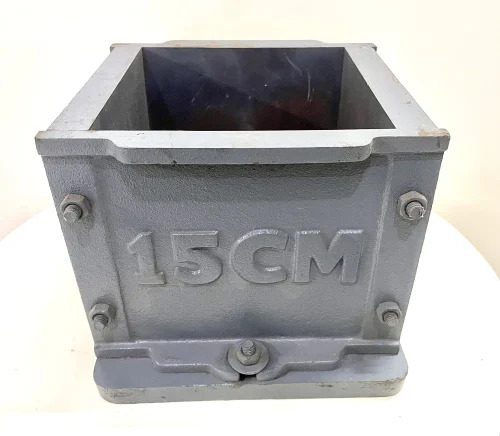
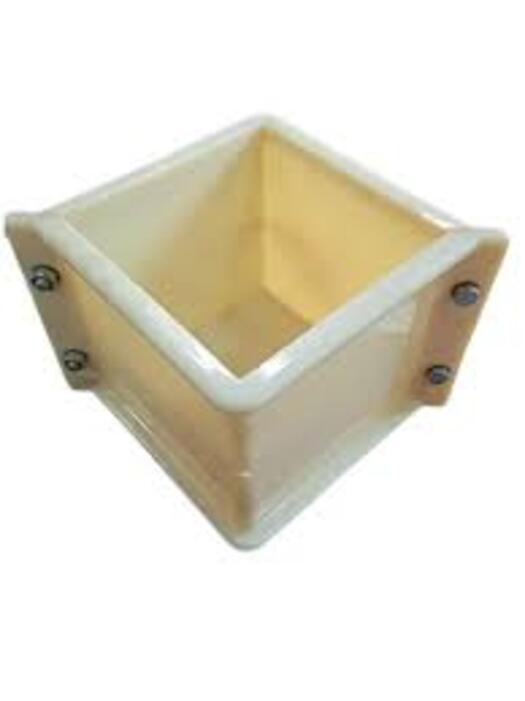
Cube Mould 505050 mm is a compact and precision-made mould used for casting cement and mortar specimens for compressive strength testing. It is widely used in civil engineering laboratories, construction sites, and educational institutions for accurate quality assessment of materials.
Manufactured from high-quality cast iron, mild steel, or durable PVC, this mould ensures excellent dimensional stability and long service life. The inner surfaces are finely machined to provide a smooth finish, resulting in uniform specimen formation and reliable test outcomes. The mould is designed for easy assembly and dismantling, allowing quick specimen removal without damage.
Key Features:
- Standard size: 505050 mm
- Available in cast iron, mild steel, or PVC
- Smooth inner surface for accurate specimen casting
- Strong, durable, and wear-resistant construction
- Easy to assemble and demould
- Reusable and easy to maintain
Applications:
- Cement and mortar strength testing
- Concrete sample preparation (small-scale testing)
- Civil engineering laboratories
- Quality control and R&D
Specifications:
- Size: 50 mm 50 mm 50 mm
- Material: Cast Iron / Mild Steel / PVC
- Shape: Cube
- Surface Finish: Smooth machined interior
- Standard Compliance: As per IS standards
Precision Engineering for Accurate Cube TestingEach Cube Mould is machined with high accuracy to deliver consistent concrete, mortar, and cement cube samples. The removable base plate and heavy-duty clamping system help maintain precise alignment, ensuring reliable results in laboratory and field tests. The smooth, machined finish promotes easy sample demoulding.
Long-Lasting and Rust Proof ConstructionConstructed from premium-grade cast iron, the mould features a rust-proof finish that withstands rigorous usage and frequent cleaning. With proper maintenance, the cube mould's durability extends its lifespan up to 10 years, making it a cost-effective choice for repeated professional use.
User-Centric Design for Easy OperationClear size and capacity markings, removable components, and simple assembly mean the Cube Mould is user-friendly and convenient for technicians and engineers. Its design ensures straightforward cleaning and maintenance, supporting efficient workflows for suppliers, traders, and service providers in India.
FAQ's of Cube Mould 50x50x50mm:
Q: How do I properly use the Cube Mould 50x50x50mm for concrete, cement, or mortar testing?
A: Ensure the mould is clean and the base plate is securely attached. Fill the cavity with freshly mixed material, compact it as required, and smooth the surface. After curing, use the heavy-duty clamping screws to release the base plate for easy demoulding of the test cube.
Q: What are the main benefits of the machined, 90 angle-tolerant sides of this cube mould?
A: The precisely machined sides ensure each cube adheres to accurate dimensional requirements. The strict 90 angle tolerance supports uniform cube formation, enhancing the reliability of test results and compliance with standardized testing methods.
Q: When should I clean and maintain the Cube Mould to ensure longevity?
A: Clean the mould thoroughly after every use to prevent material residue buildup. Regular cleaning and proper reassembly are essential for preserving the rust-proof finish and mechanical precision, extending the mould's lifespan to 5-10 years.
Q: Where can the Cube Mould 50x50x50mm be used effectively?
A: This mould is ideal for laboratories, construction sites, and educational institutions conducting cement, concrete, and mortar strength tests, or quality control checks. Its portable design suits both indoor and outdoor use in various testing environments.
Q: What makes the Cube Mould suitable for repeated and long-term use?
A: Made from high-grade cast iron with a corrosion-resistant finish, the mould endures regular usage without deformation or rust. Its robust construction and easy-maintenance features allow for multiple uses over several years when cared for correctly.
Q: How is the dimensional accuracy of test cubes maintained during the molding process?
A: Dimensional accuracy is ensured by the precise machining of the mould cavity, heavy-duty clamping screws for rigid assembly, and adherence to a tolerance of 0.02 mm, ensuring that each test cube meets lab and industry standards.

 Send Inquiry



 Send Inquiry


 Send Inquiry