Marshal Sample Extruder About
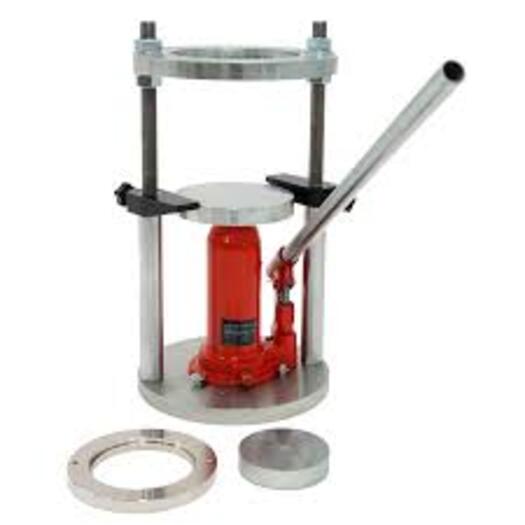
The Marshal Sample Extruder is a precision laboratory equipment used for efficient removal of compacted asphalt, CBR, and Proctor specimens from moulds. It is widely used in civil engineering laboratories, construction quality control labs, and research institutions.
This equipment operates using a manual hydraulic jack mechanism, enabling smooth and effortless extrusion of samples without damaging their structure. It is designed to handle standard mould sizes and ensures accurate and quick sample preparation for further testing.
Key Features
- Heavy-duty steel frame construction for durability
- Equipped with manual hydraulic jack for easy operation
- Suitable for 4" (100 mm) and 6" (150 mm) moulds
- High load capacity (approx. 30 kN or above)
- Quick and safe extraction of specimens
- Corrosion-resistant finish
Technical Specifications
- Capacity: 30 kN (approx.)
- Operation: Manual (Hydraulic Jack)
- Mould Compatibility: Marshall, CBR, and Proctor moulds
- Diameter Range: 100 mm & 150 mm
- Frame Type: Vertical extrusion frame
- Material: Mild Steel / Heavy-duty steel
Applications
- Bitumen and asphalt testing laboratories
- Soil testing labs (CBR & Proctor tests)
- Civil engineering colleges and research institutes
- Construction and road quality control testing
Working Principle
The apparatus uses a hydraulic jack to apply vertical force, pushing the compacted specimen out of the mould. This ensures smooth extraction without altering the physical properties of the sample, which is critical for accurate testing
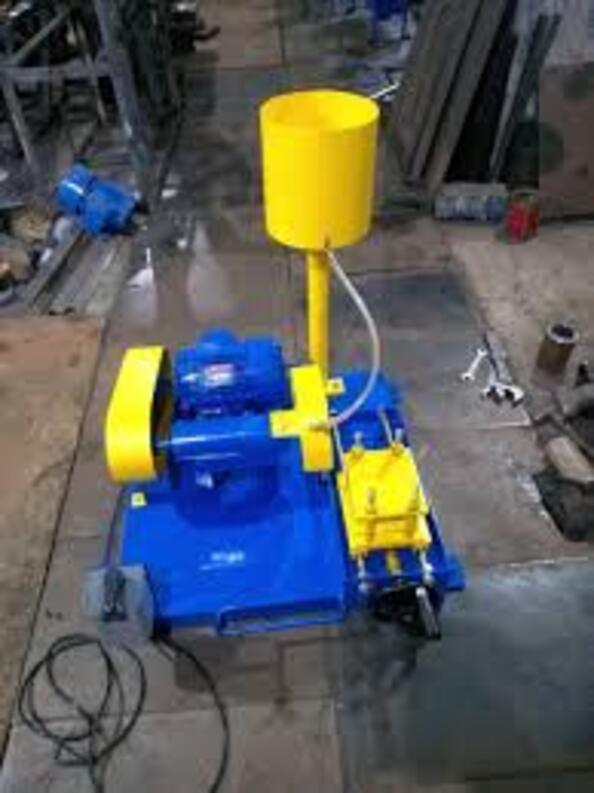
Robust & Precise Extrusion for Laboratory NeedsBuilt with a heavy-duty fabricated steel frame and a smooth mechanical extrusion process, this extruder is optimized for extracting compacted bituminous/mix specimens from Marshall moulds with minimal effort. Its controlled, steady action reduces the likelihood of specimen deformation, making it ideal for precise asphalt testing applications.
Advanced Safety and User ControlsEnjoy enhanced safety with an integrated overload cut-off device that prevents equipment or sample damage due to excessive force. The panel-mounted ON/OFF switch provides intuitive control with clear up/down movement settings, and users can switch easily between hand and automatic operation modes for added flexibility and ease of use.
Reliable Design for Enduring PerformanceManufactured from high-quality, powder-coated mild steel, the Marshal Sample Extruder offers both resilience and longevity. Weighing approximately 65 kg, it remains stable during operation and is compact enough to fit conveniently in most laboratory spaces, measuring 540 mm x 410 mm x 980 mm, and suitable for a wide variety of labs across India.
FAQ's of Marshal Sample Extruder:
Q: How does the Marshal Sample Extruder ensure safe operation during extrusion?
A: The Marshal Sample Extruder is equipped with an overload cut-off device, which immediately stops the operation if excessive force is detected. This safety feature protects both the equipment and the sample from potential damage during the extrusion process.
Q: What is the primary usage of this sample extruder in the laboratory?
A: The primary use of the Marshal Sample Extruder is to extrude compacted bituminous or mix specimens from Marshall moulds, ensuring specimens remain intact for further asphalt quality testing and analysis in laboratories.
Q: When should I use the hand mode versus the automatic mode?
A: Hand mode is recommended for precise, controlled extrusion, particularly with delicate samples, while automatic mode is ideal for routine operations where consistent force and speed are required. Switching between these modes is simple using the panel-mounted controls.
Q: What is the extrusion process carried out by this equipment?
A: The process involves placing the Marshall mould with the compacted specimen into the extruder, setting the desired operation mode, and initiating the plunger movement. The specimen is smoothly pushed out at approximately 50 mm/min, up to a height of 250 mm, ensuring undamaged extraction.
Q: Where is this extruder best suited for use?
A: This extruder is ideally suited for laboratory environments focused on asphalt or bituminous mix testing, particularly those involved in research, quality control, or standard compliance across India.
Q: What are the benefits of using a heavy-duty fabricated steel frame in this equipment?
A: The robust, heavy-duty steel frame offers exceptional stability, reduces operational vibrations, and ensures the extruder withstands frequent laboratory use, ultimately providing more reliable and consistent results.
Q: Is computerization required for operation, and how is the equipment controlled?
A: No computerization is required. The extruder is semi-automatic and managed via simple, panel-mounted controls which allow users to operate the plunger in both up and down directions efficiently.

 Send Inquiry



 Send Inquiry


 Send Inquiry