Autoco llimator About
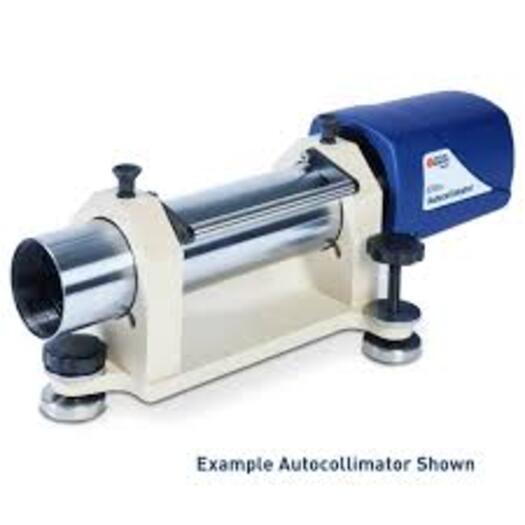
We supply high-precision Autocollimators, advanced optical instruments used for accurate measurement of very small angular deviations. These devices are widely used for alignment, calibration, and inspection tasks in engineering and metrology applications.
The autocollimator works on the principle of reflected light, where a beam is projected onto a mirror and the reflected image is analyzed to determine angular displacement with extreme accuracy. It is ideal for precision measurement where conventional tools are not sufficient.
Key Features:
- Extremely high angular measurement accuracy
- Optical, non-contact measurement system
- Stable and rugged construction
- Suitable for precision alignment work
- Easy operation with reliable results
Applications:
- Machine tool alignment and calibration
- Metrology and quality control labs
- Optical instrument testing
- Research and precision engineering
- Industrial inspection systems
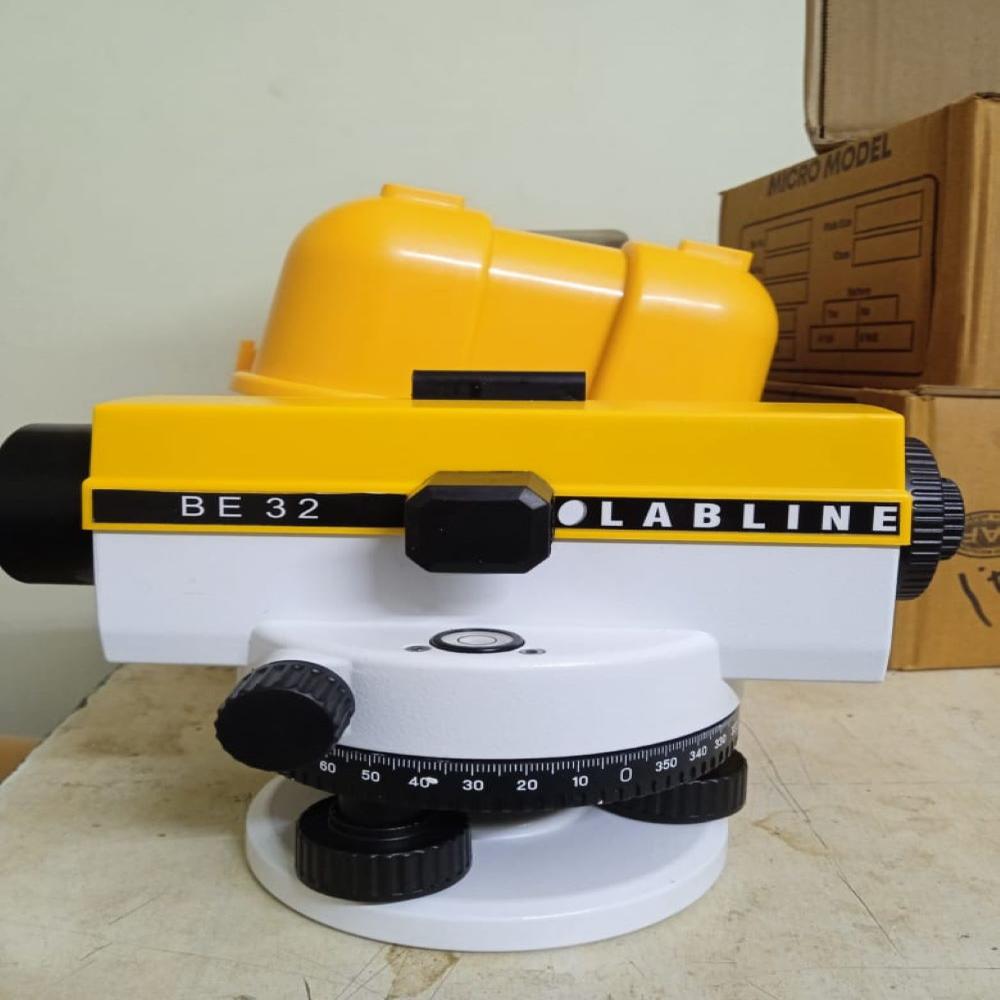
Precision in Angular MeasurementEngineered for laboratories and industrial environments, this autocollimator excels in direct optical measurement with exceptional accuracy. It is ideal for evaluating small angular deviations, supporting applications in metrology and optical testing. A 0.1 arc second resolution ensures reliable, fine-scale alignment and calibration.
User-Friendly and Durable DesignEquipped with a sturdy aluminum alloy body and a dust-protected housing, the instrument is built to withstand demanding laboratory conditions. Its compact size, approximately 4 kg weight, and tripod-compatible base make it easy to set up and operate in various professional settings.
Efficient Calibration and CertificationEach unit is supplied with a calibration certificate, guaranteeing that your measurements meet traceable standards. The adjustable LED light source and optical viewfinder ensure clear and precise readings, enhancing efficiency during alignment and calibration processes.
FAQ's of Autoco llimator:
Q: How does the autocollimator achieve high angular measurement accuracy?
A: The autocollimator utilizes a precision 40 mm objective lens and direct optical reading system, combined with a finely graduated graticule in the viewfinder. This configuration delivers superior accuracy of 0.5 arc second and a resolution of 0.1 arc second for single-axis measurements.
Q: What is the focusing and measurement range of this autocollimator?
A: This instrument offers a focusing range from 1 meter to infinity and can measure angles within a 30 arc minute range, with a field of view of 10 arc minutes. This broad coverage is suitable for various laboratory and metrological applications.
Q: Where can the autocollimator be effectively used?
A: It is designed primarily for optical laboratories and engineering metrology settings. Its portability, horizontal operating position, and tripod compatibility make it versatile for use in research institutes, calibration labs, and industrial environments.
Q: When should the calibration certificate be referenced or renewed?
A: The calibration certificate should be referenced before each critical measurement to ensure traceability. It is advisable to renew or re-calibrate the instrument annually or as required by your organization's quality management system.
Q: What is the recommended process for setting up the autocollimator?
A: Mount the autocollimator securely on a stable tripod or flat surface, ensure it is in a horizontal orientation, connect to a 220V AC outlet, and adjust the LED illumination. Focus the eyepiece for your vision before performing measurements.
Q: How does the adjustable LED illumination benefit usage?
A: The adjustable LED illumination provides optimal lighting conditions, enhancing the visibility of the optical graticule and target image within the viewfinder. This improves reading clarity and measurement repeatability, especially under varying ambient lighting conditions.
Q: What protection features are included in the instrument design?
A: A dust-protected housing safeguards internal optics from contaminants, preserving accuracy and extending instrument longevity, even in environments with variable dust levels.

 Send Inquiry



 Send Inquiry


 Send Inquiry