About Class A Pyranometer Solar Radiation Sensor
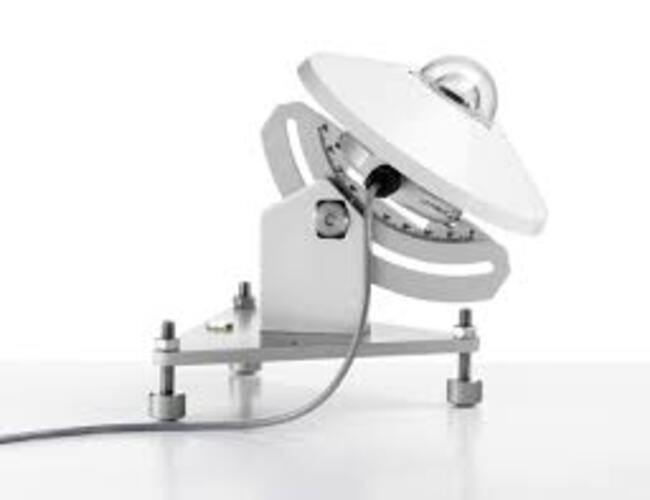
A Class A Pyranometer is a high-accuracy device used to measure solar radiation on a flat surface. It uses a thermopile sensor to convert sunlight into an electrical signal for precise measurement.
Features
- High accuracy and stability
- Weather-resistant design
- Fast response
Applications
Used in solar power plants, weather stations, and environmental studies.
Precision Measurement and ReliabilityEngineered with a high-quality thermopile sensor and a UV-resistant glass dome, this Class A pyranometer delivers accurate solar radiation readings across a wide range of environmental conditions. Its Class A accuracy and ISO 9060:2018 compliance make it suitable for professional meteorological monitoring and photovoltaic system analysis, ensuring reliable long-term data.
Flexible Output and Easy IntegrationThe sensor supports multiple output options-standard analog (0-20 mV), as well as 4-20 mA and RS485 for digital communications. Optional MODBUS connectivity allows straightforward integration with common data loggers, while the durable 4-wire cable facilitates secure signal transmission even in challenging field installations.
Durability and Environmental ProtectionDesigned for outdoor applications, the pyranometer is housed in anodized aluminum with a sealed IP67 construction. An integrated bubble level simplifies precise mounting, and the optional heating system prevents the formation of dew and frost, maintaining measurement accuracy even in humid or cold climates.
FAQ's of Class A Pyranometer Solar Radiation Sensor:
Q: How is the Class A Pyranometer installed and positioned for accurate measurements?
A: Installation involves mounting the pyranometer on a level surface using the integrated bubble level. Correct leveling and orientation are crucial for precise solar radiation readings. Secure the sensor using the provided mounting hardware and ensure the cable connection is weatherproofed as per IP67 standards.
Q: What output signals are available, and how do I connect this pyranometer to my data logger?
A: The sensor provides a standard 0-20 mV analog output and optional 4-20 mA current loop or RS485 digital output, with MODBUS protocol support. Use the provided 4-wire cable for connections. The analog and digital outputs make it compatible with a wide variety of industry data loggers.
Q: When should I use the optional heating system, and what benefits does it offer?
A: Activate the heating system in environments prone to dew or frost, such as early mornings or humid areas. The heater prevents condensation or ice formation on the glass dome, ensuring uninterrupted, accurate measurements in all weather conditions.
Q: Where is the Class A Pyranometer typically used?
A: This pyranometer is suitable for applications such as solar radiation monitoring, meteorological studies, and photovoltaic performance analysis. It is widely utilized by researchers, engineers, and monitoring agencies across India for both field and laboratory environments.
Q: What is the process for recalibrating the sensor, and how often is it required?
A: The sensor is factory-calibrated and supplied with an ISO/IEC 17025 calibration certificate. For continued measurement accuracy, it is recommended to recalibrate the device at intervals specified by industry standards, typically every 1-2 years, by an accredited calibration laboratory.
Q: How does the pyranometer withstand harsh environmental conditions?
A: With its anodized aluminum body, UV-resistant glass dome, and IP67 weatherproof design, the pyranometer endures extreme temperatures from -40C to +80C, 0-100% relative humidity, and wind speeds up to 40 m/s, making it highly durable for outdoor deployment.

 Send Inquiry



 Send Inquiry


 Send Inquiry