Disc Polishing Machine About
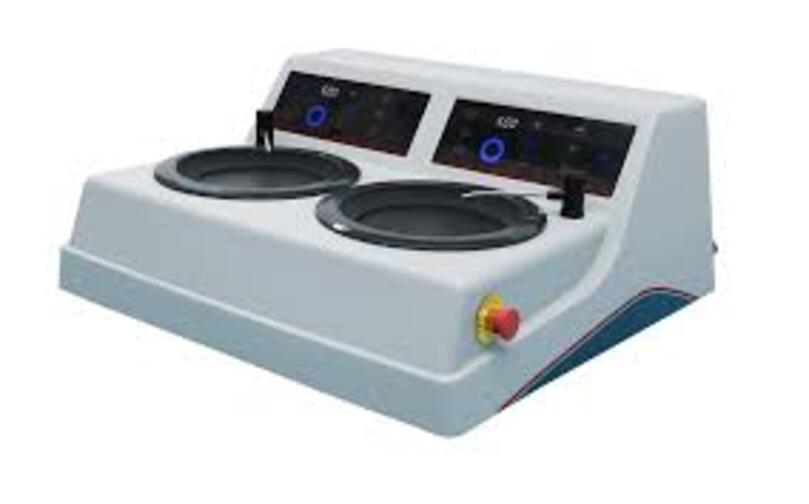
We are offering a high-quality Disc Polishing Machine used for polishing, grinding, and surface finishing of metal, ceramic, and sample specimens. This machine is widely used in metallurgical laboratories, research centers, and educational institutes for sample preparation and material testing purposes.
The equipment is designed for smooth and uniform polishing with adjustable speed control, ensuring high-quality surface finish. It is easy to operate, durable, and suitable for continuous laboratory use. Its robust construction ensures long service life and reliable performance.
Product Details
- Usage: Sample Polishing / Surface Finishing
- Application: Metallurgical Lab / Material Testing Lab
- Material: Mild Steel / Stainless Steel
- Feature: Smooth Operation, Durable, Easy to Use
- Operation: Electric
- Condition: New
High-Performance Polishing for LaboratoriesDesigned specifically for metallurgical, geological, and industrial labs, this disc polishing machine delivers consistent sample finishes. With a robust mild steel construction and powder-coated exterior, it resists corrosion and ensures longevity, even in demanding environments. The single high-grade steel disc, combined with adaptable felt or cloth attachments, offers versatility for various sample types.
Efficient Cooling and Debris ManagementIntegrated with a water jet nozzle and 5-liter tank, this machine provides an effective solution for heat and debris control during polishing. It ensures polished samples are contaminant-free and preserved from thermal damage. The easy water supply connection simplifies setup, making it convenient for frequent and varied laboratory applications.
User-Friendly and Quiet OperationThis bench top model operates at under 60 dB, supporting quieter laboratory environments. The analog dial display, manual switch control, and supplied sample holder streamline the polishing process, minimizing training time for technicians. Its ergonomic rectangular base and 18 kg weight provide stable operation on any standard workbench.
FAQ's of Disc Polishing Machine:
Q: How does the disc polishing machine manage heat and debris during operation?
A: The machine uses an integrated water jet nozzle and a 5-liter water tank to provide continuous cooling and efficient removal of debris from the polishing disc. This ensures your samples remain uncontaminated and prevents thermal damage during the polishing process.
Q: What types of attachments can be used with the polishing disc?
A: The disc is compatible with felt or cloth attachments, both of which can be easily mounted on the high-grade steel disc for various polishing tasks. This versatility allows users to polish different types of samples effectively.
Q: When is it appropriate to use this machine in a laboratory setting?
A: This bench-top disc polishing machine is suitable for use during sample preparation in metallurgical, geological, and industrial labs. Use it whenever high-quality, uniform surface finishing is required for microscopic examination or analysis.
Q: Where should the disc polishing machine be installed for optimal performance?
A: Install the machine on a stable, flat laboratory workbench in a well-ventilated area, near a water supply for the water jet nozzle. The bench-top design makes it easy to integrate into existing lab setups.
Q: What is the process for operating the disc polishing machine?
A: To operate, mount your sample on the provided holder, select the desired speed (400-1100 rpm) using the analog dial and manual switch, and ensure water supply is activated for cooling. Monitor the process visually and adjust as needed for your application.
Q: What are the main benefits of using this disc polishing machine?
A: Key benefits include precise speed control (accuracy of 2 rpm), effective cooling, anti-corrosive design, quiet operation, and compatibility with a variety of sample polishing materials. Its durable construction ensures long-term, reliable use in laboratory environments.
Q: How is routine maintenance performed on this equipment?
A: Routine maintenance involves cleaning the disc and attachments after each use, regularly checking the water tank and nozzle for blockages, and inspecting the mild steel and stainless steel components for signs of wear or corrosion. Always power off before performing maintenance tasks.

 Send Inquiry



 Send Inquiry


 Send Inquiry