Laboratory Centrifuge About
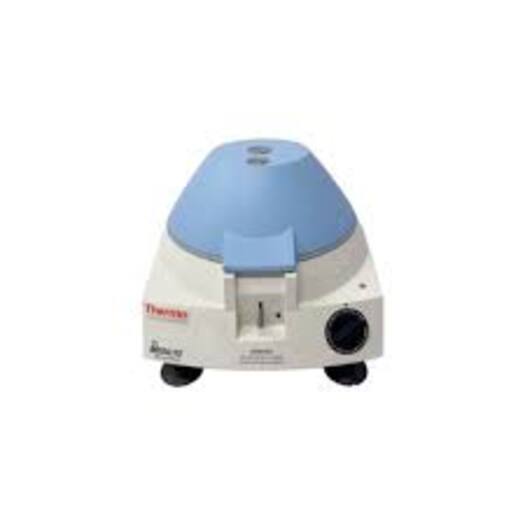
Laboratory Centrifuge is a precision instrument used for the separation of biological fluids, chemicals, and suspensions based on density differences. It operates by spinning samples at high speed, generating centrifugal force that separates components such as plasma, serum, cells, or precipitates.
The instrument is designed with a stable motor system, safety lid lock, imbalance detection, and digital speed control, ensuring safe and accurate operation in laboratory environments.
Key Features
- High-speed and stable operation
- Digital speed and timer control
- Safety lid lock system
- Low vibration and noise
- Imbalance detection for safety
- Durable motor with long life
- Easy operation and maintenance
Applications
- Blood sample separation (plasma/serum)
- Clinical pathology laboratories
- Biochemistry and microbiology labs
- Pharmaceutical research
- DNA/RNA and protein analysis
- Industrial and chemical testing
Working Principle
- Based on centrifugal force principle
- Heavier particles move outward
- Lighter components remain above
- Enables fast and efficient separation
Types of Laboratory Centrifuge
- Clinical Centrifuge (routine blood tests)
- Microcentrifuge (small volume samples like DNA)
- Refrigerated Centrifuge (temperature-sensitive samples)
- High-speed Centrifuge (research applications)
- Ultracentrifuge (advanced molecular separation)
Efficient and Versatile Laboratory SeparationDesigned for reliability, this laboratory centrifuge delivers precise and rapid separation of fluids, gases, or liquids based on their density. With a generous rotor capacity and adaptability to both continuous and timed operations, it accelerates a variety of laboratory protocols while maintaining safety and performance. Its user-friendly digital controller and display ensure accurate operation.
Advanced Safety and DurabilitySafety is paramount thanks to features like the lid interlock and imbalance detection, which protect both operator and equipment. The corrosion-resistant body, constructed from mild steel and stainless steel internal parts, withstands demanding laboratory environments, and the powder coating adds an extra layer of durability against harsh reagents and repeated use.
FAQ's of Laboratory Centrifuge:
Q: How does the laboratory centrifuge ensure operator safety during operation?
A: The centrifuge features a lid interlock system that prevents the lid from being opened while the unit is running, as well as an imbalance detection system that automatically stops the operation if uneven loads are detected, minimizing risks to operators.
Q: What applications is this centrifuge best suited for in laboratory settings?
A: This centrifuge is particularly effective for separating fluids, gases, or particles based on density. It is widely used in clinical diagnostics, research labs, and industrial laboratories for sample preparation, plasma separation, and other analytical processes.
Q: When should I use the continuous mode versus the timed mode?
A: Continuous mode is ideal for processes that require extended, uninterrupted spinning, while timed mode (0-99 minutes) is best for tasks that need precise run durations. The digital timer ensures process repeatability and accurate results based on your application.
Q: Where can this table top centrifuge be placed in the laboratory?
A: This compact, table top centrifuge has dimensions of 430 mm x 360 mm x 320 mm, making it suitable for standard laboratory benches. Its moderate weight (approx. 16 kg) allows for easy relocation as needed within the laboratory workspace.
Q: What is the maximum capacity and speed of this centrifuge?
A: The centrifuge can accommodate up to 12 tubes of 15 ml each (12-slot angle rotor) and operates at speeds up to 4000 RPM, achieving a maximum relative centrifugal force (RCF) of 2325 x g.
Q: How does the digital control system improve the centrifuge's process accuracy?
A: The digital controller and display enable precise adjustment and monitoring of speed, time, and operating mode. This enhances reproducibility, with accuracy up to 2%, ensuring consistent results for sensitive laboratory procedures.
Q: What are the key benefits of using this centrifuge in laboratory operations?
A: Key advantages include ease of use, reliable safety features, low noise operation (below 60 dB), robust corrosion-resistant construction, and flexible functionality suitable for a wide range of laboratory separation needs.

 Send Inquiry



 Send Inquiry


 Send Inquiry