Loss On Heating Thin Film Oven About
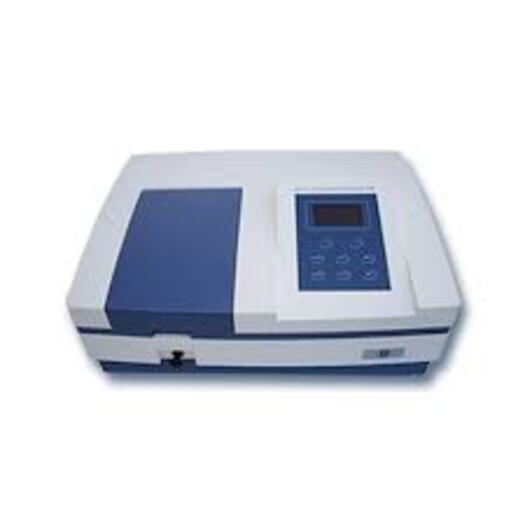
Loss on Heating / Thin Film Oven is a precision laboratory testing equipment designed to determine the effect of heat and air on bituminous and asphaltic materials. It is widely used in civil engineering laboratories, construction companies, and quality control labs for evaluating changes in mass, viscosity, penetration, and ductility of bitumen samples after heating.
This dual-purpose oven performs both Loss on Heating Test and Thin Film Oven Test, simulating actual field conditions during hot mixing of asphalt.
Key Features:
- Dual functionality for Loss on Heating & Thin Film tests
- Uniform temperature control with digital controller
- Double-walled construction with high-grade insulation
- Stainless steel inner chamber for durability
- Double glazed viewing window
- Equipped with rotating platform for sample trays
- Overheat protection with thermostat safety system
Technical Specifications:
- Temperature Range: Ambient to 163C 1C
- Rotation Speed: Approx. 56 RPM
- Power Supply: 220230V AC, 50 Hz
- Chamber Material: Stainless Steel
- Capacity: Suitable for multiple test samples
Standards Compliance:
Conforms to ASTM D6, ASTM D1754, AASHTO T47, AASHTO T179, BS 2000
Applications:
- Bitumen & asphalt testing laboratories
- Road construction quality control
- Research & development labs
- Civil engineering institutes
Efficient Weight Loss Testing for Bituminous MaterialsThis thin film oven is specifically designed to assess the loss on heating of bitumen and asphaltic specimens. Thanks to its rotating sample rack and uniform air circulation, the oven provides even heat distribution, crucial for accurate and reproducible results.
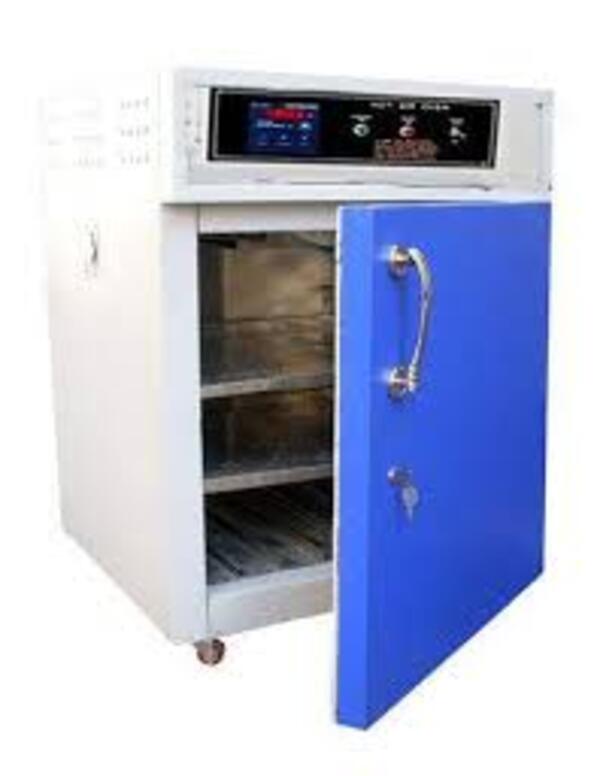
Robust Construction and User-Friendly FeaturesConstructed with a powder-coated mild steel body and a stainless steel inner chamber, this oven combines durability with quality performance. The tempered glass door permits real-time observation of samples, while the digital temperature controller and timer facilitate precise testing sessions.
FAQ's of Loss On Heating Thin Film Oven:
Q: How does the rotating sample rack in the thin film oven enhance test accuracy?
A: The rotating sample rack ensures that all 8 sample dishes receive uniform heat exposure by continuously rotating at 5 to 6 RPM. This uniformity minimizes temperature variation across samples, leading to more reliable and consistent test results for asphaltic and bitumen materials.
Q: What is the process for testing loss on heating in this oven?
A: To test loss on heating, place up to 8 prepared bitumen or asphaltic specimens into the provided dishes, position them on the rotating rack, and set the required temperature (up to 200C) using the digital controller. The oven uniformly heats the samples, and after the set duration, the weight difference is measured to determine loss.
Q: When should I use this laboratory oven?
A: This oven is best employed when evaluating the stability or quality of bitumen/asphalt samples after exposure to high temperatures. It is widely used during research, quality control, or production processes where material changes due to heating need to be quantitatively assessed.
Q: Where can this thin film oven be used effectively?
A: The oven is ideal for use in materials testing laboratories, quality assurance departments, research institutes, and civil engineering facilities involved with road construction materials or bitumen analysis.
Q: What accessories are included with the oven for immediate use?
A: Each oven comes supplied with 8 sample dishes, a user manual, a power cord, and a high-quality nichrome wire heating element, ensuring you are equipped for standard loss on heating procedures right out of the box.
Q: How does the glass wool insulation benefit my testing process?
A: The glass wool insulation retains heat efficiently within the double-walled construction, minimizing heat loss and enhancing energy efficiency. This ensures stable internal temperatures, essential for accurate and consistent sample analysis.
Q: What are the main benefits of the digital control and over-temperature protection features?
A: The digital controller allows precise temperature settings and timing, ensuring reproducible results, while the over-temperature protection safeguards samples and equipment from overheating for enhanced laboratory safety.

 Send Inquiry



 Send Inquiry


 Send Inquiry