Melting Point Apparatus About
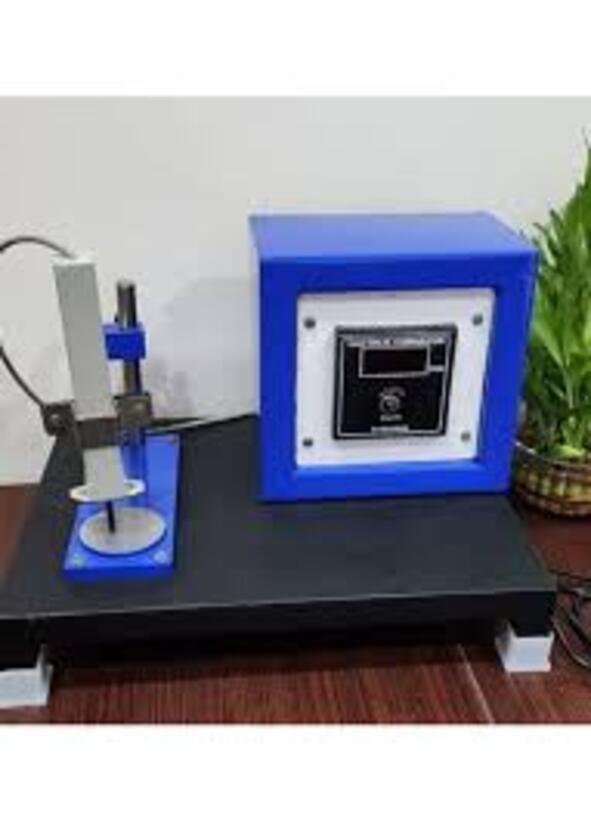
Melting Point Apparatus is a precision laboratory instrument used for determining the melting point of solid substances, which helps in identifying purity and chemical composition. It is widely used in pharmaceutical, chemical, educational, and research laboratories for accurate thermal analysis.
The apparatus works by heating a sample placed inside a capillary tube at a controlled rate and recording the temperature at which the substance changes from solid to liquid. Modern digital models feature microprocessor-based temperature control, LED display, and automatic detection systems for enhanced accuracy and repeatability.
The unit typically consists of a heating block or silicon oil bath, temperature sensor (PT-100), magnifying lens, illumination system, and digital temperature indicator. It ensures uniform heating and precise observation of melting behavior.
Key Features
- High precision digital temperature display
- Uniform heating with controlled rate adjustment
- PT-100 sensor for accurate temperature measurement
- Built-in magnifier and illumination for clear observation
- Compact and user-friendly design
- Suitable for multiple sample testing (in advanced models)
Technical Specifications
- Temperature Range: Ambient to 300C / 400C
- Accuracy: 0.5C to 1C
- Display: LED / LCD digital display
- Heating Rate: Adjustable (0.5C to 5C/min)
- Power Supply: 220230V AC, 50 Hz
- Sample Type: Capillary tube method
Applications
- Determination of melting point of chemicals
- Purity testing of pharmaceutical substances
- Quality control in laboratories
- Research and educational experiments
Working Principle
The sample is filled in a capillary tube and placed in the heating chamber. The temperature is gradually increased at a controlled rate. The temperature at which the sample melts is recorded as the melting point, indicating purity and identity of the substance.
Precision Meets VersatilityThis melting point apparatus is engineered for highly accurate results with 1C resolution and robust microprocessor controls. Its digital LED display ensures clarity and reduces human error, while triple-capillary capacity saves time by allowing simultaneous sample testing. The tool is compatible with solid chemical samples and is suitable for diverse laboratory environments in research, pharmaceuticals, and quality assurance.
Effortless Observation & OperationSample viewing is simplified through either an illuminated window or magnifying lens, providing clear monitoring of the phase change. Operation is flexible with both manual start/stop and timed modes. The user-friendly bench-top mount, rapid response time, and straightforward capillary loading process make routine melting point analysis smooth and efficient for any technician.
Built-in Safety and DurabilityAutomatic shut-off protects the apparatus from overheating, while a 2 Amp fuse and premium insulation protect both users and equipment. Constructed from powder-coated metal, the device resists corrosion and mechanical wear. The cool-down is managed naturally, keeping maintenance straightforward. Its compact size and stable performance mark it as a reliably safe investment for labs focused on precision and longevity.
FAQ's of Melting Point Apparatus:
Q: How does the melting point apparatus ensure precise temperature control?
A: The apparatus utilizes a microprocessor-based temperature regulation system combined with a PT100 platinum resistance sensor. This setup maintains accurate and stable heating, providing readings on a digital LED display with an accuracy and resolution of 1C.
Q: What types of samples can be tested with this equipment?
A: Designed for solid chemical samples, it accommodates up to three 10 mm diameter capillary tubes at once, allowing simultaneous testing of multiple substances within a temperature range from ambient to 350C.
Q: What safety features are incorporated during operation?
A: Safety is maximized through automatic shut-off in cases of overheating, a 2 Amp electrical fuse, high-grade insulation to minimize heat loss, and overheat protection mechanisms. These ensure both user and equipment safety during prolonged laboratory tasks.
Q: When should the apparatus be used in a laboratory workflow?
A: It is ideal for quality control, educational, and research settings when precise melting point determination of solid chemicals is required-typically after sample preparation and before further chemical analysis.
Q: Where should the apparatus be set up for optimal performance?
A: It is intended for benchtop mounting in well-ventilated laboratory spaces, away from direct moisture. The device operates optimally at 10C to 40C and up to 80% relative non-condensing humidity.
Q: What is the process for testing a sample's melting point?
A: Insert up to three sealed capillary tubes filled with your solid sample into the sample holder. Select manual or timed start, observe through the magnifying lens or illuminated window, and record the melting point as shown on the LED display. The apparatus cools naturally after use.
Q: What are the main benefits of using this melting point apparatus?
A: Users benefit from its precision, rapid response, simultaneous multiple-sample testing, robust safety measures, durable construction, and user-friendly digital operation, making it an essential tool for reliable and efficient melting point determination.

 Send Inquiry




 Send Inquiry


 Send Inquiry