Analog Flexure Testing Machine About
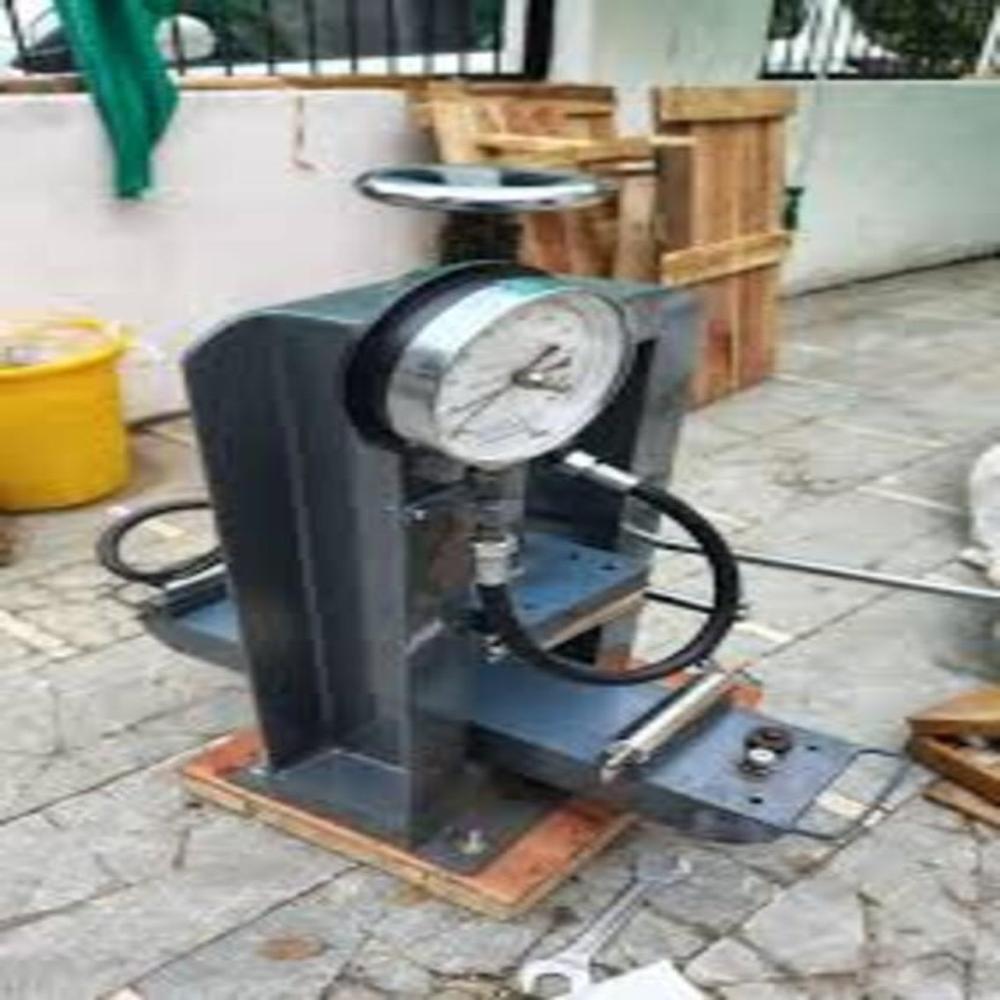
Analog Flexure Testing Machine is a high-quality laboratory testing equipment used to determine the flexural strength (bending strength) of concrete, cement beams, and other construction materials. It is widely used in civil engineering laboratories, research institutes, and quality control departments to evaluate the structural performance of materials under bending load.
The machine operates on a manual or hydraulic loading system with an analog dial gauge for accurate load measurement, ensuring reliable and repeatable test results.
Features:
- Sturdy and rigid steel frame construction
- High accuracy analog dial gauge for load measurement
- Smooth and controlled loading system
- Easy operation with minimal maintenance
- Long service life and durable design
- Suitable for standard laboratory testing
- Stable performance during testing
Applications:
- Civil engineering laboratories
- Cement and concrete testing
- Construction material quality control
- Research and development institutes
- Structural strength evaluation
Specifications:
- Type: Analog / Manual Flexure Testing Machine
- Material: Heavy-duty steel frame
- Display: Analog dial gauge
- Usage: Flexural strength testing of concrete and beams
- Loading System: Hydraulic / Mechanical (as applicable)
- Standards: IS / ASTM compliant (as required)
Custom capacities and configurations are available as per client requirements.
Precision Engineering for Reliable Flexural TestingEngineered for laboratories and onsite use, the Analog Flexure Testing Machine ensures high precision and durability. Constructed from high-tensile cast iron and fitted with a hydraulic loading system, it delivers consistent, repeatable results for concrete beam flexure tests. The robust frame and manual control provide stability during operation, while the analog dial gauge enables straightforward, accurate measurements. Its powder-coated finish and sturdy construction contribute to long-term performance.
Comprehensive Safety and Operation FeaturesDesigned with operator safety in mind, the machine features overload protection and an ergonomic hand pump for controlled loading. This floor-mounted unit can withstand high pressures, ensuring tests are conducted efficiently and safely. The clear display and instant reading response, combined with included accessories like distance pieces and tools, provide seamless setup and use for technicians and engineers.
FAQ's of Analog Flexure Testing Machine:
Q: How does the Analog Flexure Testing Machine measure the flexural strength of concrete beams?
A: The machine applies a controlled hydraulic load to a concrete beam using a hand pump. The resulting flexural strength is read instantly from the Bourdon tube analog dial gauge, providing accurate results within a 0-100 kN range.
Q: What types and sizes of specimens can be tested with this machine?
A: It is designed to test single concrete specimens in sizes of 100 x 100 x 500 mm and 150 x 150 x 700 mm, making it suitable for typical beam testing requirements in both laboratories and field settings.
Q: When should this machine be calibrated and which standards does it follow?
A: Calibration should follow the manufacturer's recommendations or after significant use. The machine is calibrated in accordance with IS: 516:1959 standards to ensure the highest accuracy and compliance with industry norms.
Q: Where can the Analog Flexure Testing Machine be used effectively?
A: It is suitable for laboratories, construction sites, and field applications wherever accurate concrete flexural strength testing is required. Its portable yet sturdy construction allows easy movement and reliable operation in different environments.
Q: What are the key benefits of using this flexure testing machine?
A: Benefits include high-precision measurement, robust construction for durability, overload protection for safety, instant analog readings, and full portability for versatile use in various locations. The included accessories and easy manual operation further enhance user convenience.
Q: How do you operate the machine and record test data?
A: Place the specimen in the loading frame, adjust with distance pieces as necessary, and manually apply load using the hydraulic hand pump. Read the flexural strength value directly from the analog dial gauge, and record the load at which the specimen fails.
Q: What maintenance and safety steps are recommended for prolonged machine life?
A: Regularly inspect the hydraulic system and dial gauge, ensure the machine is kept clean, and check for any signs of wear. Always use the overload protection feature and follow operational guidelines to prevent damage and ensure user safety.

 Send Inquiry



 Send Inquiry


 Send Inquiry