Aniline Point Apparatus About
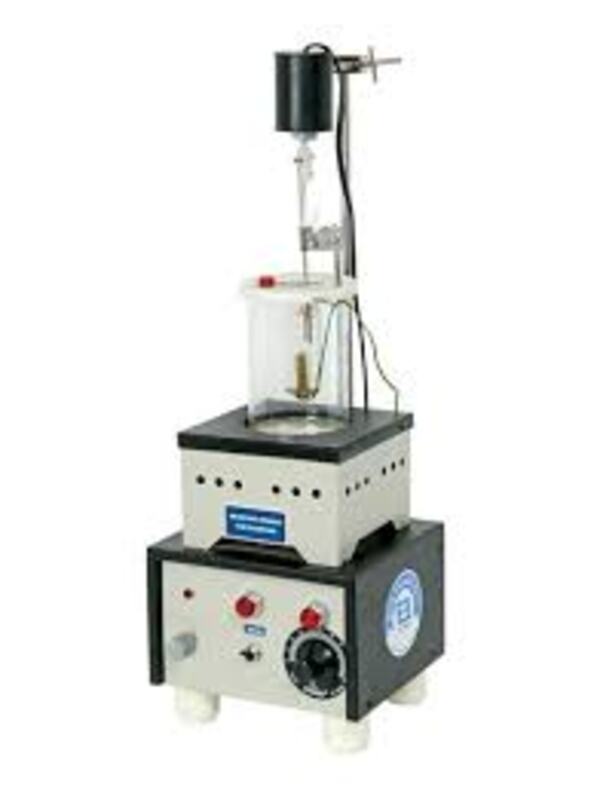
The Aniline Point Apparatus is a precision laboratory instrument used to determine the aniline point of petroleum products, lubricating oils, and hydrocarbons. The aniline point is the lowest temperature at which equal volumes of aniline and the sample are completely miscible, providing an important indicator of aromatic content and solvency characteristics.
This apparatus is designed in accordance with ASTM D611 and ISO standards, ensuring accurate, reliable, and repeatable test results. It is widely used in petroleum refineries, chemical industries, and quality control laboratories.
Key Features
- Conforms to ASTM D611 / ISO testing standards
- Precise temperature control for accurate measurement
- Transparent test tube assembly for clear observation
- Uniform heating system for consistent results
- Sturdy and corrosion-resistant construction
- Easy-to-operate laboratory setup
Applications
- Petroleum product analysis
- Lubricating oil testing
- Solvent and hydrocarbon characterization
- Quality control laboratories
- Research and development facilities
Technical Specifications (Typical)
- Temperature Range: Ambient to 150C (approx.)
- Heating System: Electric heating with regulator
- Test Assembly: Glass test tube with jacket
- Stirring: Manual or motorized (optional)
- Power Supply: 220240V AC, 50 Hz
- Construction: Mild steel / stainless steel body
Advantages
- High accuracy and reproducibility
- Simple and safe operation
- Durable construction for long-term use
- Suitable for routine laboratory testing
Safety Note
Handle heated liquids and chemicals with care. Always operate under laboratory safety guidelines and use appropriate protective equipment.
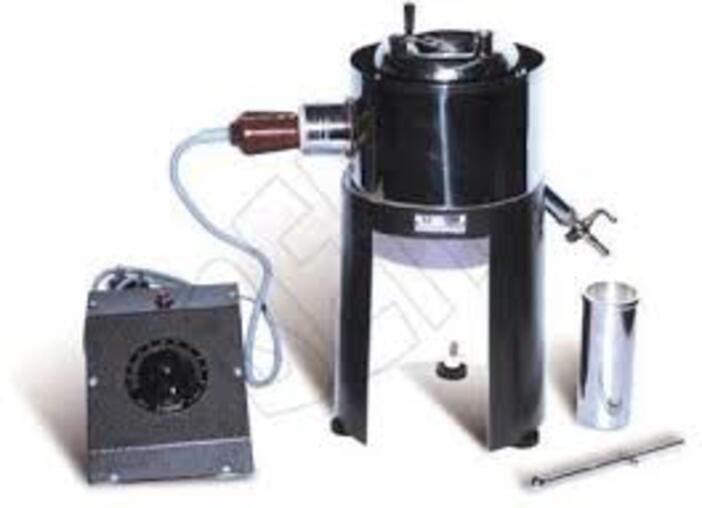
Reliable and Precise TestingEngineered for accuracy and durability, the Aniline Point Apparatus is essential for laboratories analyzing petroleum products. Its sturdy, chrome-plated brass construction, heat-resistant glass components, and built-in safety features ensure repeatable, trustworthy testing with minimal risk. The inclusion of a variable regulator and a precision mercury-in-glass thermometer guarantees precise temperature control and immediate, manual observation.
User-Friendly and Safe OperationManual operation allows users to directly monitor temperature changes and conduct single-test runs with confidence. The heat-resistant handle, splash protection, and insulated jacket minimize risk and facilitate safe laboratory practices. This apparatus is fully compliant with relevant industry standards, underscoring its reliability for routine and research applications.
FAQ's of Aniline Point Apparatus:
Q: How is the Aniline Point Apparatus used in petroleum product testing?
A: The apparatus is used to determine the aniline point-the lowest temperature at which aniline and a petroleum product are completely miscible in equal volumes. To perform the test, a small sample is added to the heat-resistant glass tube alongside aniline, heated using the electric heater, and monitored with the included thermometer until complete mixing occurs.
Q: What safety features does the apparatus include for laboratory use?
A: Safety is prioritized with a heat-resistant handle, a splash-protection design, and an insulated jacket, all of which help ensure safe handling during high-temperature tests. The robust, polished brass construction and glassware further enhance user safety and chemical resistance.
Q: When should the Aniline Point Apparatus be calibrated or checked for accuracy?
A: It is recommended to check and, if needed, calibrate the thermometer before each series of measurements to maintain the 1.0C accuracy. Regular inspection of the heating source, regulators, and glass components is advised to ensure ongoing reliability and safety during use.
Q: Where should this apparatus be operated for optimal performance?
A: Operation is best carried out on a benchtop in a controlled laboratory environment with ambient humidity. Ensure the unit is set up on a stable, level surface near a 230V AC, 50 Hz power supply for safe and reliable function.
Q: What is the advantage of the chrome-plated brass construction and heat-resistant glass tube?
A: Chrome-plated brass offers excellent corrosion resistance and mechanical strength, while the heat-resistant glass tube withstands high operating temperatures and chemical exposure. This combination ensures both the durability of the apparatus and the purity of test results.
Q: How many specimens can be tested at once with this apparatus?
A: The design supports single-test runs, accommodating one specimen at a time with a sample size of 2-3 ml. This approach offers precise manual control and immediate observation for each test, aligning with accepted standards for petroleum product analysis.

 Send Inquiry





 Send Inquiry


 Send Inquiry