About Bitumen Extractor Hand Operated
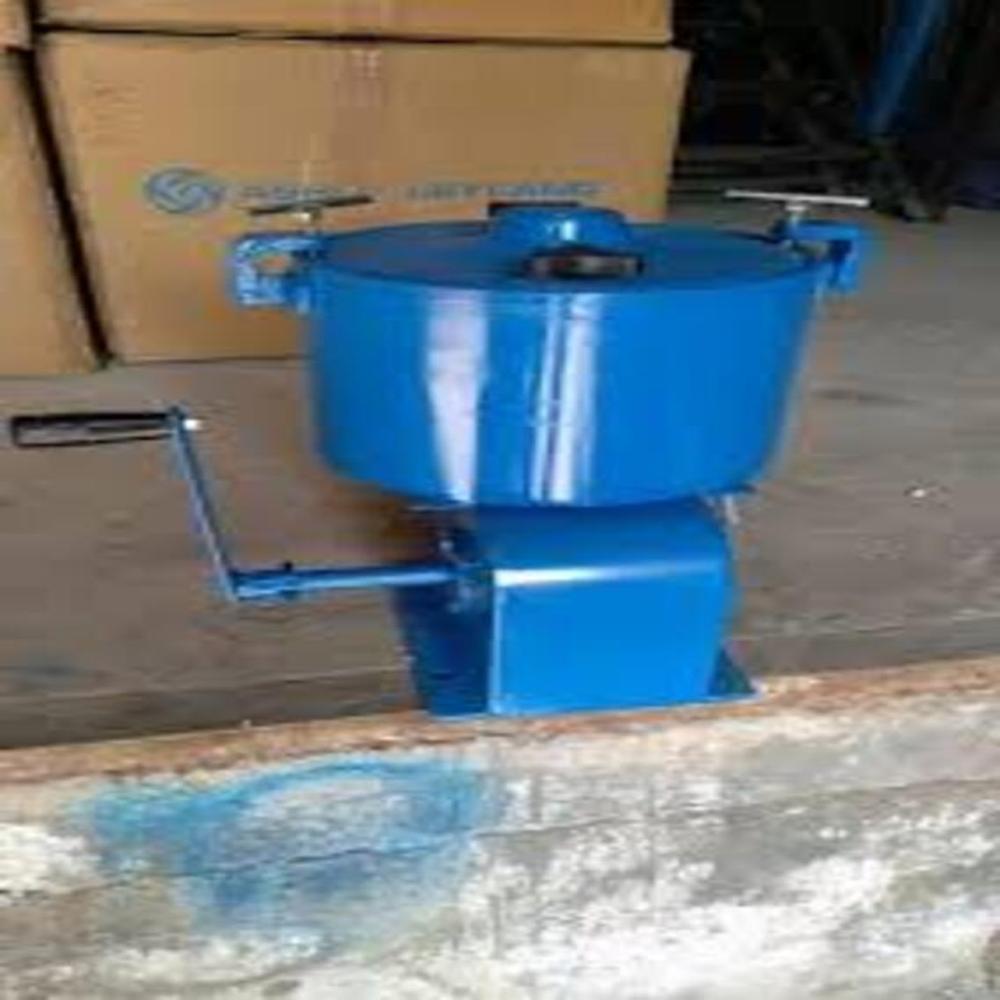
A Bitumen Extractor Hand Operated is a laboratory testing instrument used to determine the percentage of bitumen in bituminous mixtures. It operates on the principle of centrifugal extraction, where bitumen is separated from aggregates using a solvent and manual rotation.
This equipment is widely used in road construction laboratories, civil engineering institutes, and quality control departments for analyzing asphalt mix composition.
Key Features
- Manual operation using hand-driven gear mechanism
- Removable aluminum rotor bowl (approx. 1500 g capacity)
- Durable cast iron / mild steel body
- Corrosion-resistant design for long service life
- Oil-bath gear system for smooth rotation
- Compact and portable for field and lab use
Technical Specifications (Typical)
- Capacity: 1.5 Litres / 1500 g
- Speed: 2400 3600 RPM (manual rotation)
- Operation: Hand Operated (Manual)
- Material: Cast Iron / Mild Steel / Aluminum
- Standards: ASTM D2172, AASHTO T-58, T-164
- Weight: 4050 kg (varies by model)
Working Principle
The bituminous sample is placed in the rotor bowl along with a solvent (benzene/toluene). When the handle is rotated, the bowl spins at high speed, and centrifugal force separates bitumen from aggregates. The dissolved bitumen is drained out and collected for analysis.
Applications
- Asphalt and pavement testing laboratories
- Highway construction projects
- Civil engineering colleges & research labs
- Quality control of bituminous mixes
Advantages
- No electricity required (ideal for field use)
- Cost-effective compared to motorized models
- Simple operation and low maintenance
- Reliable and repeatable results
Reliable and Efficient ExtractionDesigned for precision, the hand operated bitumen extractor provides rapid and reliable extraction of bitumen from mixtures. Its hand-crank operation ensures complete control over the process, making it suitable even in locations without electricity. The robust construction guarantees long-term usage, while the side spout simplifies solvent removal, enhancing user convenience.
Durability and Practicality CombinedCrafted from mild steel with a high-quality powder coated or painted finish, this extractor stands up to regular use in busy environments. The stable base prevents unwanted movement during operation. The aluminum alloy bowl ensures chemical resistance and optimized weight, contributing to better efficiency and longevity.
Comprehensive Accessories IncludedEach unit is supplied with essential components needed for immediate use: centrifuge unit, aluminum alloy bowl, handle, filter paper, and cover. The inclusion of all necessary accessories minimizes preparation time, allowing users to focus directly on extraction and analysis without delay.
FAQ's of Bitumen Extractor Hand Operated:
Q: How do you operate the hand-cranked bitumen extractor?
A: You operate the extractor by placing your bitumen-laden sample in the provided aluminum alloy bowl, securing the filter paper and cover, and then manually turning the handle to spin the bowl. The centrifugal force separates the bitumen, which is then discharged via the side spout.
Q: What types of samples can this bitumen extractor handle?
A: Suitable for road paving mixes, the extractor can process samples up to 1500 grams. It effectively separates bitumen from mineral aggregates as part of quality control or research procedures.
Q: When should this device be used during road construction projects?
A: It is best used during laboratory testing or on-site analysis to determine the bitumen content of paving mixtures before or after construction. Regular use ensures compliance with quality standards.
Q: Where is the most appropriate place to use this equipment?
A: This extractor is ideal for use in civil engineering laboratories, material testing facilities, or directly at construction sites where access to electricity might be limited, as it runs solely through manual operation.
Q: What is the process for extracting bitumen using this device?
A: First, load the sample and solvents into the bowl, add the filter paper and cover, then manually crank the handle. Bitumen is separated by centrifugal force and drains out via the side spout, ready for further analysis.
Q: How does the side spout improve the extraction process?
A: The side spout allows for easy and controlled discharge of solvents and extracted bitumen, minimizing mess and simplifying collection after extraction is complete.
Q: What benefits does hand operation offer over motorized devices?
A: Hand operation provides portability, requires no electricity, and allows for greater user control over the speed and duration of extraction. This makes it particularly valuable in remote or field locations.

 Send Inquiry


 Send Inquiry


 Send Inquiry