
Call: 07971191344
 Send Inquiry
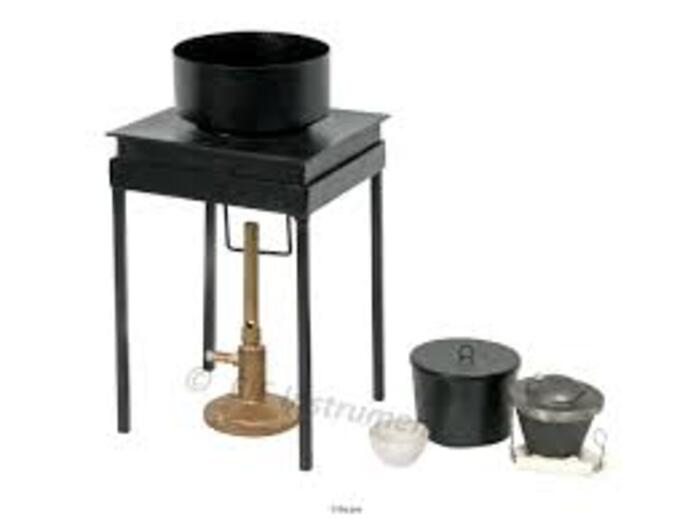
The Carbon Residue Apparatus is a laboratory instrument used to determine the amount of carbon residue left after the evaporation and pyrolysis of petroleum products. This test provides an indication of the tendency of fuels and lubricants to form carbon deposits under high-temperature conditions.
The apparatus is designed to perform tests under controlled heating conditions, ensuring accurate and repeatable results. It is widely used in petroleum refineries, lubricant testing laboratories, research institutions, and quality control labs.

Price:
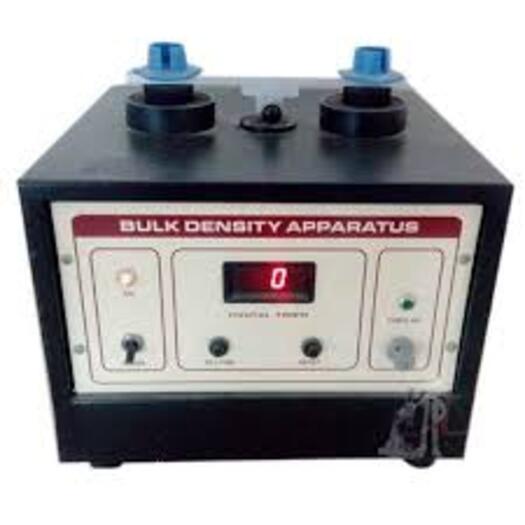
Price 15000.0 INR / Piece
Minimum Order Quantity : 1 Piece
Machine Weight : Approx. 8 kg
Mounting Type : Table Top
Number of Specimens : 1 or 2 cylinders at a time
Frequency : 50 Hz
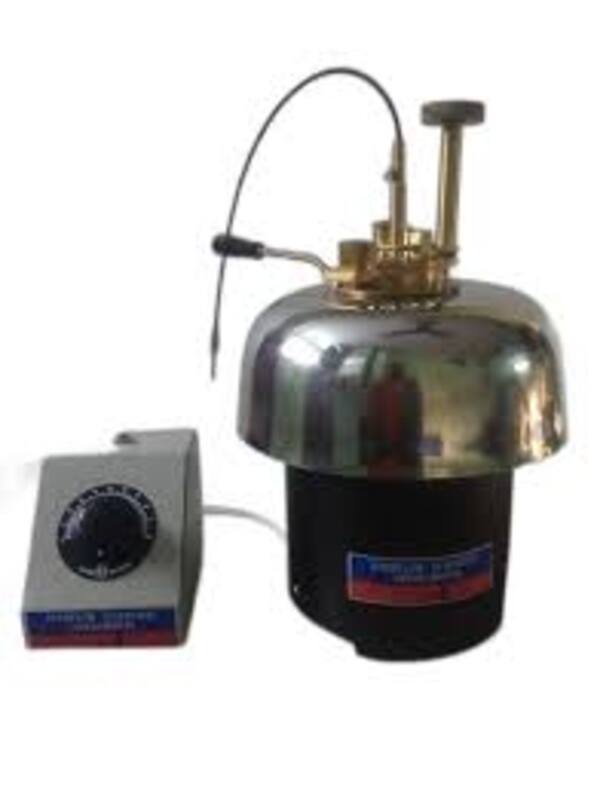
Price 10000.0 INR / Piece
Minimum Order Quantity : 1 Piece
Machine Weight : Approx. 510 kg (varies with model)
Mounting Type : Benchtop
Number of Specimens : Single (per test cycle)
Frequency : 50 Hz
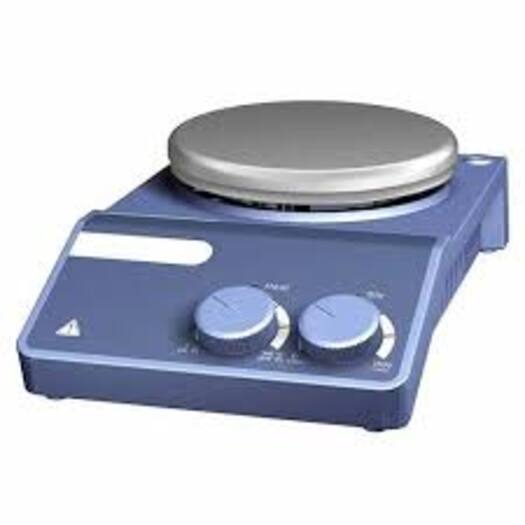
Price 3500.0 INR / Unit
Minimum Order Quantity : 1 Unit
Machine Weight : 4.5 kg
Mounting Type : Bench Top
Number of Specimens : Single or Multiple (Depending on Plate Size)
Frequency : 50 Hz
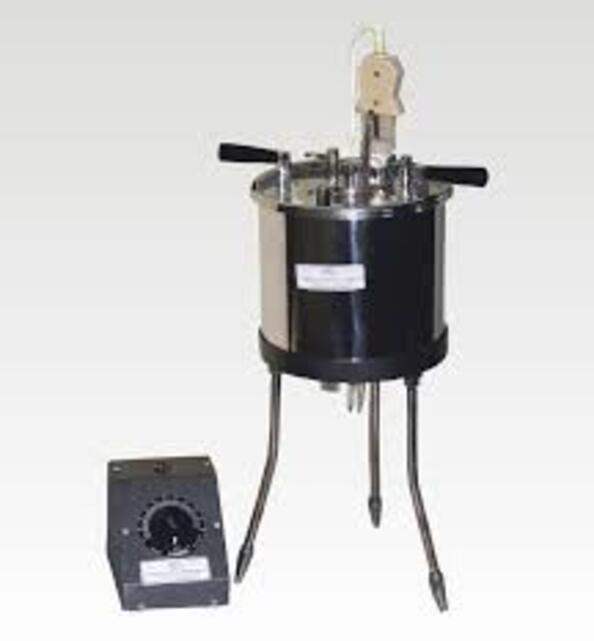
Price 10000.0 INR / Unit
Minimum Order Quantity : 1 Unit
Machine Weight : Approx. 8 kg
Mounting Type : Benchtop
Number of Specimens : 1 per test
Frequency : 50 Hz
GST : 36AVTPM1866A1ZE


 Send Inquiry


 Send Inquiry