HIGH SPEED STIRRER About
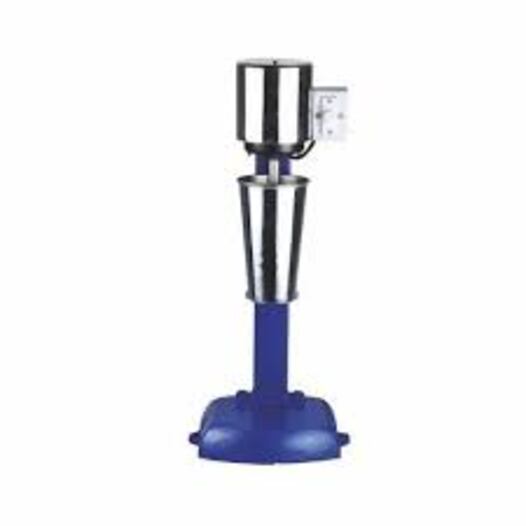
A High Speed Stirrer is a powerful laboratory mixing instrument designed for rapid dispersion, emulsification, homogenization, and mixing of liquids and semi-viscous materials. It operates at very high rotational speeds, typically ranging from 10,000 to 30,000 RPM, enabling fast and uniform blending of samples in chemical, pharmaceutical, biotechnology, and research laboratories.
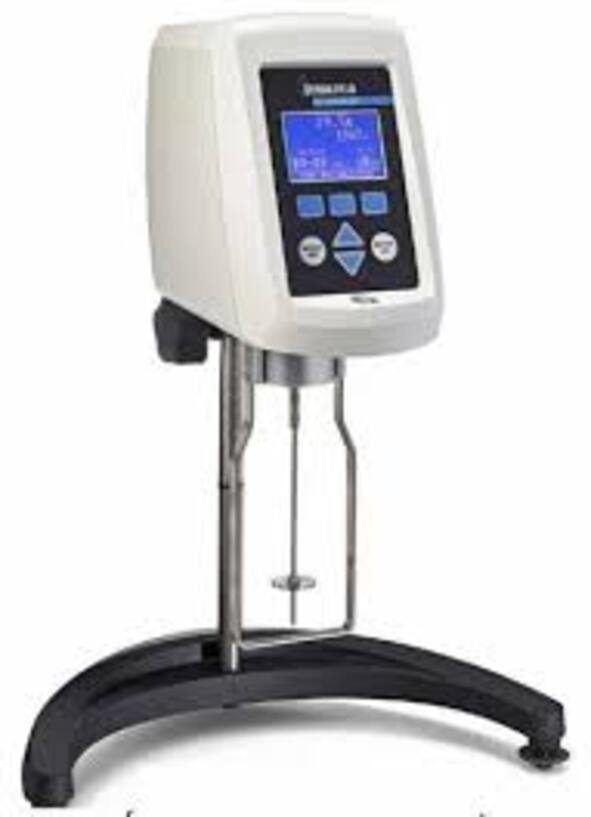
This equipment consists of a high-speed motor, a vertical stirring shaft, and interchangeable stirring blades or rotor-stator assemblies that generate strong shear forces for efficient mixing.
Key Features
- High-speed motor for powerful and consistent performance
- Speed control system for precise operation
- Suitable for low to medium viscosity liquids
- Stainless steel or corrosion-resistant shaft and blades
- Strong torque for efficient homogenization
- Stable base for vibration-free operation
- Digital or analog speed display (model dependent)
Working Principle
The high-speed stirrer works on the principle of high-velocity mechanical agitation. A motor drives the stirring element at very high RPM, generating turbulence, shear force, and vortex formation. This allows efficient mixing, breaking down particles, and creating uniform solutions in a short time.
Applications
- Chemical solution preparation
- Pharmaceutical formulation and emulsions
- Cosmetic and personal care product mixing
- Biological sample homogenization
- Food and beverage processing
- Industrial R&D laboratories
Types Available
- Digital High Speed Stirrer
- Overhead High Speed Stirrer
- Homogenizer Type Stirrer
- Rotor-Stator High Shear Mixer
- Laboratory Bench-Top Stirrer
Advantages
- Extremely fast and efficient mixing
- Produces uniform and stable mixtures
- Reduces processing time significantly
- Suitable for laboratory and small-scale production
- Easy to operate with adjustable speed control
Precise and Flexible Stirring PerformanceThis High Speed Stirrer offers a broad variable speed range with a digital display, providing accuracy of 3 rpm and a resolution of 1 rpm. Whether you require gentle agitation or vigorous mixing, instant response and manual or digital controls adapt to your process. Designed for laboratory and industrial workflows, it excels in mixing, stirring, and blending applications for volumes from 2 to 10 liters.
Built for Durability and SafetyManufactured from powder-coated mild steel with a stainless steel stirring shaft, the stirrer is built to last in demanding environments. Overload protection and an IP20 protection class keep your operations secure, while a noise output below 70dB ensures comfortable working conditions. All essential safety standards are met, making it a dependable choice for continuous operation.
Ease of Installation and PortablityThe compact benchtop design, moderate weight (10-18 kg), and practical 1.5-meter cord allow for straightforward setup in labs and production sites. With dimensions of 450 x 300 x 500 mm and simple mounting, this unit is portable and perfect for routine or batch processes across temperature ranges from 5C to 45C and up to 85% humidity.
FAQ's of HIGH SPEED STIRRER:
Q: How do I operate the High Speed Stirrer for optimum mixing results?
A: To operate, securely mount the stirrer on your benchtop and connect it to a 220V AC supply. Select your desired speed using the manual or digital controls, ensuring the entire volume (2-10 liters) of your mixture is properly engaged by the stainless steel shaft and paddle. Use the digital display to precisely set speeds from 0 to 3000 rpm. Always monitor the stirring process and adjust speed as necessary for different substances.
Q: What types of applications is this stirrer suitable for?
A: This High Speed Stirrer is suited for mixing, stirring, and blending tasks in laboratories, pilot plants, and industrial batches. It is particularly effective for water-based solutions up to 10 liters, but also handles medium viscosities in research and quality control environments, making it versatile for chemical, pharmaceutical, and food industries.
Q: When should I use variable speed settings on the stirrer?
A: Variable speed settings are ideal when working with different viscosities or requiring precise agitation. For gentle mixing, use lower rpm; for thorough blending or dispersing, higher speeds up to 3000 rpm deliver rapid results. Adjust speed based on the material and result required to ensure efficient processing without splashing or spilling.
Q: Where can the High Speed Stirrer be installed for best performance?
A: The stirrer is designed for benchtop use, suitable for laboratory workstations or industrial preparation areas. Installation should be in a dry area (humidity up to 85%) within temperature ranges of 5C to 45C. Ensure it is placed on a stable surface with access to a 220V AC power source to maximize safety and efficiency.
Q: What is the benefit of the overload protection feature?
A: Overload protection automatically shuts down the stirrer if it detects excessive load or resistance, protecting the motor and internal electronics from damage. This results in longer operational lifespan and minimizes downtime or repairs, ensuring reliable performance during intensive mixing tasks.
Q: How often does the stirrer require maintenance?
A: The unit is designed to be maintenance-free under normal operational conditions. Periodically check the shaft, paddle, and body for residue or buildup, and wipe as needed. Ensure the benchtop mounting remains secure and inspect the power cord for wear to sustain uninterrupted use.
Q: What makes the construction of this stirrer particularly robust?
A: The High Speed Stirrer is constructed with a stainless steel shaft for corrosion resistance, an impeller that can be customized, and a powder-coated mild steel body for enhanced durability. Its IP20 protection rating shields against dust ingress, ensuring reliable operation in varied laboratory and industrial environments.

 Send Inquiry



 Send Inquiry


 Send Inquiry