Longitudinal Compressor Meter About
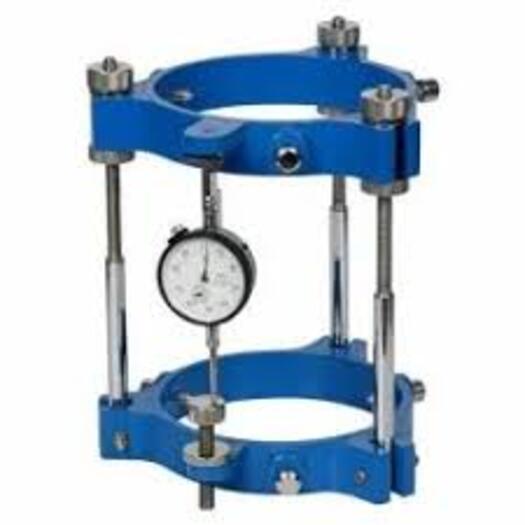
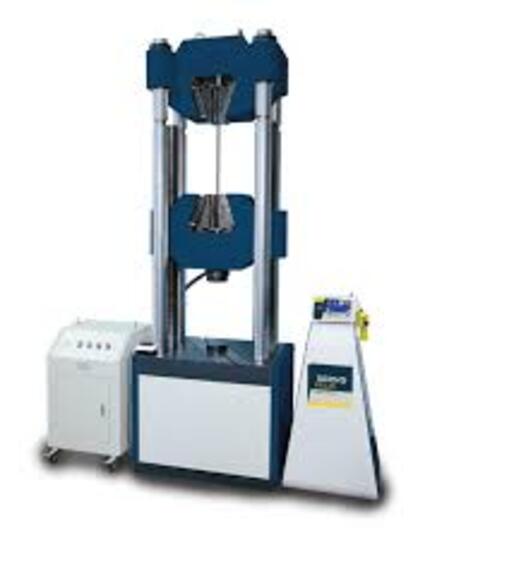
A Longitudinal Compressor Meter is a precision laboratory instrument used to measure the compressive strength and deformation characteristics of materials along their longitudinal axis. It is widely used in material testing, quality control, and research applications to evaluate how specimens behave under axial compressive loads.
This equipment is commonly used in metallurgical laboratories, civil engineering labs, polymer testing units, and industrial R&D centers for studying material strength, elasticity, and structural performance.
Key Features
- High-precision load measurement system
- Rigid frame structure for accurate axial loading
- Digital / analog load indicator (model dependent)
- Smooth and controlled compression mechanism
- Adjustable specimen holding fixtures
- Stable operation with minimal vibration
- Designed for long service life and reliability
Working Principle
The instrument applies a gradually increasing compressive force along the longitudinal axis of a test specimen. The resulting deformation and failure point are recorded to determine the materials compressive strength, elasticity, and resistance to deformation.
Applications
- Material strength testing in laboratories
- Quality control in manufacturing industries
- Civil engineering material evaluation
- Polymer and composite testing
- Metallurgical and mechanical research
- Academic and industrial training labs
Advantages
- Provides accurate compressive strength data
- Helps in material selection and design validation
- Simple and safe operation
- Suitable for routine and advanced testing
- Durable construction for long-term use
Technical Specifications (Typical)
- Load capacity: As per model requirement (e.g., 1 kN to 100 kN)
- Display: Digital load indicator / analog gauge
- Frame: Heavy-duty steel construction
- Operation: Manual / motorized loading system
- Accuracy: High precision load measurement system
Versatile Measurement OptionsThis compressor meter accommodates both mechanical and electronic sensing methods, giving users flexibility depending on their system needs. Multiple output formats, including Pulse, 4-20mA, and RS485, make integration with existing monitoring or control systems seamless, supporting data-driven industrial processes.
Rugged Industrial DesignCrafted for reliable operation in demanding environments, the meter offers optional IP54 and IP65 enclosure protection. This design safeguards the device against dust and water ingress, ensuring stability and long-term reliability in various industrial settings.
FAQ's of Longitudinal Compressor Meter:
Q: How is the Longitudinal Compressor Meter installed in industrial settings?
A: The meter can be conveniently mounted on a panel or a wall, allowing flexible installation depending on your space and accessibility requirements. Installation guidelines ensure proper alignment and connectivity for accurate compressor monitoring.
Q: What measuring principle does this compressor meter utilize?
A: Depending on model, the meter uses either mechanical or electronic measurement principles. This adaptability allows for precise compressor performance tracking tailored to your system's configuration and monitoring needs.
Q: When should the device's enclosure protection be considered?
A: Enclosure protection (IP54/IP65) should be selected based on the operating environment. For areas exposed to dust or moisture, opting for a higher protection rating enhances the meter's durability and longevity.
Q: Where can this compressor meter be used?
A: It is suitable for deployment in industrial facilities across India, wherever compressor performance needs to be measured and monitored accurately, including manufacturing plants, processing sites, and utility rooms.
Q: What output signal options does the meter provide for data integration?
A: The meter supports Pulse, 4-20mA, and RS485 output formats, making it compatible with various industrial control systems, allowing for real-time data acquisition and seamless integration with monitoring infrastructure.
Q: How does the meter display compressor performance data?
A: Performance data is shown on either an analog or digital display, depending on the specific model, enabling clear and immediate visualization of measurement results for operators.
Q: What are the main benefits of using this compressor meter?
A: Key benefits include accurate compressor performance measurement, adaptable output formats, robust environmental protection, and ease of installation-all contributing to enhanced process efficiency and operational reliability.

 Send Inquiry


 Send Inquiry


 Send Inquiry