Point Load Index Test Apparatus About
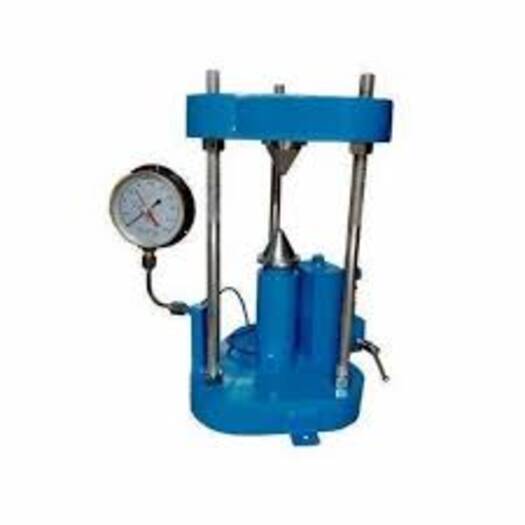
We offer a high-precision Point Load Index Test Apparatus, designed for determining the strength of rock samples in field and laboratory conditions. The instrument is widely used in geotechnical engineering, mining, and civil engineering laboratories for quick estimation of rock strength.
The apparatus measures the Point Load Strength Index (Is50) by applying load on rock specimens between two conical platens until failure occurs.
Key Features
- Heavy-duty loading frame for high stability
- Hydraulic / mechanical loading system (model dependent)
- Conical hardened steel loading platens
- Digital / analog load measurement system
- Portable field and laboratory models available
- Easy specimen handling (core, block, irregular samples)
- Rugged construction for field use
- Low maintenance design
Applications
- Rock strength classification
- Mining and quarry investigations
- Tunnel and dam construction projects
- Geotechnical site investigations
- Civil engineering laboratories
- Preliminary rock mass evaluation
Versatile and Portable Rock Strength TestingEngineered for both laboratory and field environments, this apparatus is compact, easily portable, and bench-mounted. Its adjustable jaws and manual screw jack cater to a variety of rock core diameters, enabling reliable testing wherever geotechnical investigations demand. The heavy-duty, corrosion-resistant frame and anti-skid rubber base provide stability and longevity under rigorous use.
Precision and Compliance AssuredMeeting IS 8764 and ASTM D5731 standards, the device ensures consistent, accurate results for determining point load index. The analog dial gauge offers immediate manual readings with high precision, and a straightforward calibration process keeps measurements dependable. No external power supply is required, streamlining operation on-site or in the laboratory.
FAQ's of Point Load Index Test Apparatus:
Q: How is the Point Load Index Test Apparatus operated?
A: The apparatus is manually operated using a hand-turned screw jack and adjustable clamps. Simply position the rock specimen between the hardened steel jaws, and use the screw-driven platen to apply load until breakage. The mechanical dial gauge provides an immediate reading of the force applied.
Q: What types of rock samples can be tested with this apparatus?
A: It is suitable for cylindrical rock cores with diameters ranging from 50 mm to 100 mm. Adjustability of the clamp and jaws allows testing of a variety of rock types for geotechnical and civil engineering purposes.
Q: When should the Point Load Index Test be performed?
A: This test is typically performed during geotechnical site investigations or in laboratory analysis to quickly estimate rock strength properties, particularly before large-scale excavation, construction, or mining projects.
Q: Where can the apparatus be used - in the field or only in laboratories?
A: Its compact, portable design and bench-mounting capability make it ideal for both laboratory and field use. The manual operation does not require electricity, facilitating reliable testing at remote locations.
Q: What is the process for using the Point Load Index Test Apparatus?
A: Place the rock specimen between the conical steel jaws, adjust the width as needed, and slowly apply load via the screw-driven mechanism. Observe the analog dial gauge for load reading just before specimen failure. Record the value for point load index calculations.
Q: What safety features does the apparatus include?
A: The apparatus includes mechanical overload protection to prevent excessive loading, anti-skid rubber feet for stable operation, and a sturdy, corrosion-resistant epoxy powder-coated frame to safeguard both the instrument and operator during use.
Q: What are the benefits of using this apparatus for rock strength testing?
A: It offers rapid, accurate assessment of rock strength without external power, is easy to calibrate, and supports diverse testing environments. Its compliance with major standards and robust construction ensures reliability and longevity, reducing downtime and maintenance requirements.

 Send Inquiry




 Send Inquiry


 Send Inquiry