Shrinkage Bar Mould About
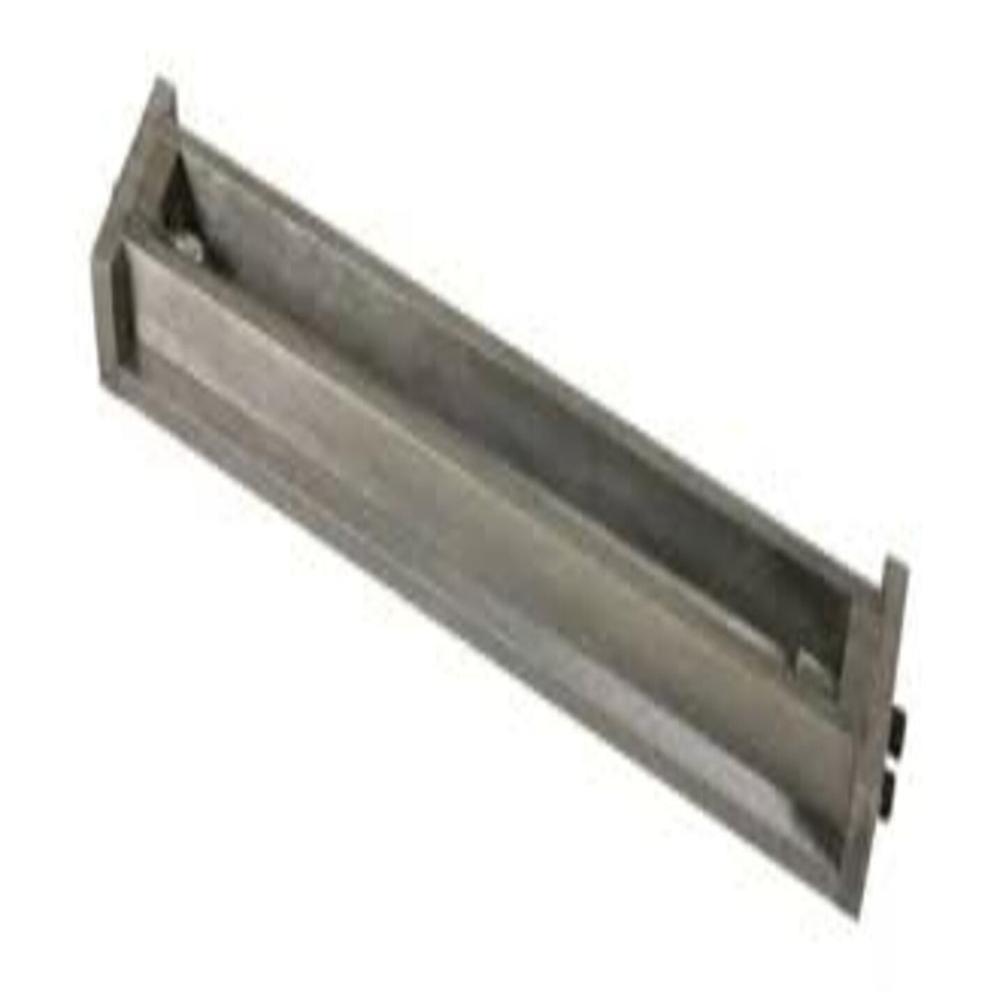
A Shrinkage Bar Mould is a precision laboratory mould used for determining the drying shrinkage of cement mortar and concrete specimens. It is designed to cast standard test specimens that are later used to measure dimensional changes due to moisture loss over time.
This mould is widely used in construction material testing laboratories, research institutions, and quality control departments to evaluate the shrinkage properties of cement-based materials.
Key Features
- High-precision mould for accurate specimen casting
- Robust and durable metal construction
- Smooth inner surfaces for easy demoulding
- Corrosion-resistant and long-lasting design
- Easy to assemble and clean
- Designed as per standard testing specifications
Technical Specifications (Typical)
- Material: Mild Steel / Cast Iron / Stainless Steel
- Shape: Standard shrinkage bar mould (rectangular)
- Specimen Size: As per IS / ASTM standards (commonly 25 mm x 25 mm x 285 mm)
- Finish: Powder-coated / anti-corrosive paint
- Assembly: Two or three-part detachable design
Applications
- Drying shrinkage test of cement mortar and concrete
- Construction material testing laboratories
- Civil engineering research and development
- Quality control in cement manufacturing plants
- Academic and training institutions
Advantages
- Ensures accurate and standard test specimen preparation
- Helps evaluate long-term dimensional stability of concrete
- Strong and reusable construction
- Simple handling and maintenance
- Essential for durability assessment of cement products
Additional Information
The Shrinkage Bar Mould is an important laboratory accessory used to assess volume changes in cement-based materials. It helps engineers and technicians ensure that concrete mixes maintain structural integrity and resist cracking due to shrinkage.
Superior Construction for Reliable PerformanceCrafted from durable cast iron or steel, the Shrinkage Bar Mould offers outstanding rigidity and high dimensional accuracy. The machined and ground surfaces, combined with leak-proof joints, ensure specimen consistency and repeatability-a crucial factor for shrinkage testing of cement mortar. Its corrosion-resistant build guarantees a long operational lifespan.
Efficient and User-Friendly DesignWith its removable, precisely machined end plates, the Shrinkage Bar Mould streamlines the demoulding process, saving valuable laboratory time. The mould's three-cavity design enables the creation of multiple specimens in one cycle, making it especially convenient for high-throughput testing environments. Manual operation ensures full operator control and easy maintenance.
FAQ's of Shrinkage Bar Mould:
Q: How is the Shrinkage Bar Mould typically used in laboratories?
A: The Shrinkage Bar Mould is used primarily for preparing cement mortar bars to perform shrinkage tests. It ensures that specimens are formed with high dimensional accuracy, vital for obtaining reliable results in quality control and research applications.
Q: What benefits does the machined and ground surface finish provide?
A: This finish delivers precise dimensions and a smooth surface, minimizing friction and ensuring exact specimen measurements. It also enhances the durability and service life of the mould by reducing wear and corrosion risks.
Q: When should removable end plates be used during the testing process?
A: Removable, machined end plates are employed during demoulding to facilitate the easy and safe removal of set specimens, ensuring they retain their correct shape and dimensions. This reduces the risk of damaging specimens during extraction.
Q: Where is the Shrinkage Bar Mould commonly installed or mounted?
A: This equipment is designed for bench-top mounting, making it suitable for use in laboratory or industrial settings where space utilization and easy accessibility are important considerations.
Q: What is the process for preparing specimens using this mould?
A: To prepare specimens, the user fills the rectangular cavities with cement mortar, assembles the tight-fitting joints for leakproof assembly, and allows curing at ambient temperature. After the set period, the end plates are removed, and the samples are demoulded for shrinkage testing.
Q: Why is high dimensional tolerance important for this mould?
A: High dimensional tolerance ensures that every specimen produced is consistent in size and shape, which is essential for accurate, reproducible shrinkage testing outcomes. Variability can compromise the integrity of test results.

 Send Inquiry




 Send Inquiry


 Send Inquiry