Air Permeability Tester About
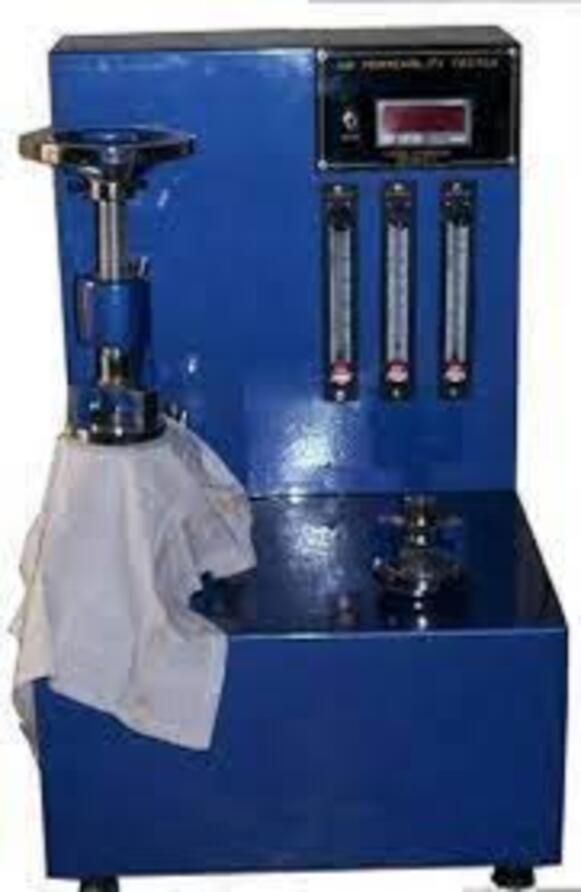
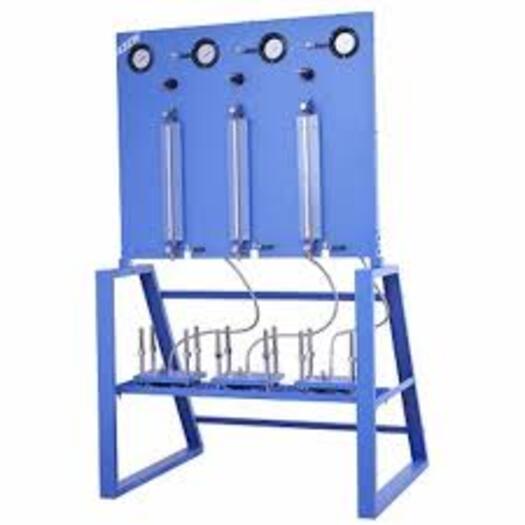
The Air Permeability Tester is a precision laboratory instrument used for determining the fineness of cement by measuring the specific surface area of cement particles. It is widely used in cement testing laboratories and quality control departments to ensure consistent cement performance in construction applications.
This apparatus works on the principle of measuring the resistance of air passing through a compacted bed of cement. The rate of airflow is used to calculate the fineness value, which directly influences the strength, setting time, and workability of cement.
Manufactured with high-quality components and a robust design, the Air Permeability Tester ensures accurate, repeatable, and reliable test results. It is suitable for routine laboratory testing as well as advanced research applications.
Key Features:
- High-accuracy measurement of cement fineness
- Based on air permeability (Blaine principle) method
- Sturdy and vibration-free construction
- Easy-to-use operation with precise control
- Durable and corrosion-resistant components
- Suitable for continuous laboratory use
Applications:
- Cement manufacturing plants
- Construction material testing laboratories
- Civil engineering research institutes
- Quality control departments
- R&D laboratories in building material industry
Working Principle:
The apparatus measures the rate at which air passes through a compacted cement sample. The resistance to airflow is used to determine the specific surface area, indicating the fineness of cement particles.
Accurate and Versatile Air Permeability TestingThis tester delivers precise measurements across a wide range of materials, from textiles and paper to leather and synthetic fabrics. Its broad testing range (0.1 - 12,000 mm/s) and high resolution allow you to conduct reliable quality assessments. With standards compliance and automatic measurement features, laboratories and manufacturers can trust its repeatability and accuracy for diverse applications.
Advanced Features for Effortless OperationDesigned with operator convenience in mind, the instrument boasts a pneumatic and mechanical clamping system, automatic measurement, and intuitive digital LCD display. Multi-language UI support and adjustable test speeds ensure that users of all experience levels can work efficiently. With built-in data storage for up to 1000 results and options for digital connectivity via RS232/USB, data management is streamlined.
Safety, Calibration, and Durable DesignSafety is prioritized with emergency stop features and overload protection, safeguarding users and equipment during operation. The machine is factory calibrated and comes with a calibration certificate, calibration plate, and sample cutter. Its robust, bench-top design is suitable for laboratory and industrial environments, all while maintaining a low ambient noise level (<65dB).
FAQ's of Air Permeability Tester:
Q: How does the air permeability tester operate on various materials like textiles and paper?
A: The tester uses a controlled air flow and pressure to measure how much air passes through a material sample, conforming to international standards (ISO 9237, ASTM D737, ISO 5636, BS 5636). The instrument can test textiles, nonwovens, paper, leather, and synthetic fabrics, providing accurate and repeatable results for each.
Q: What is the process for preparing specimens and conducting tests?
A: Specimens measuring 200 mm x 200 mm are prepared using the included sample cutter. The specimen is then secured using the pneumatic or mechanical clamp, and the test parameters are set via the digital interface. The machine performs the test automatically, displaying results on the LCD and optionally storing them onboard.
Q: When should the tester be recalibrated, and how is calibration verified?
A: The equipment comes factory calibrated with a calibration certificate. For continued accuracy, periodic calibration is recommended according to your quality system requirements or after extensive use, using the provided calibration plate as a reference.
Q: Where can the air permeability tester be installed and used?
A: Ideal for laboratory and industrial environments, the bench-top design accommodates various settings. It is intended for use in controlled operating conditions (15C-35C, 20%-80% RH) to ensure optimal accuracy and performance.
Q: What are the safety features included with the tester?
A: Safety is built in with an emergency stop button and overload protection to prevent damage or accidents. These features ensure the tester can be used confidently in both laboratory and production environments.
Q: How does the data storage and output function benefit daily testing operations?
A: The machine can store up to 1000 test results internally, allowing users to review or export data via RS232 or optional USB interfaces. This facilitates easy tracking, analysis, and documentation, streamlining quality control processes.
Q: What are the main benefits of using this air permeability tester in quality control?
A: Users benefit from high accuracy (2% of reading), rapid response (<2 seconds), and automatic measurement functions. Multi-language support and user-friendly controls enhance workflow efficiency, helping operators maintain reliable and consistent test results for a wide variety of materials.

 Send Inquiry




 Send Inquiry


 Send Inquiry