About Ductility Testing Machine
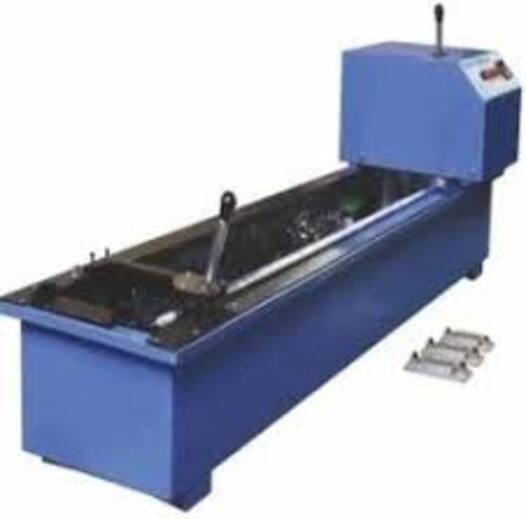
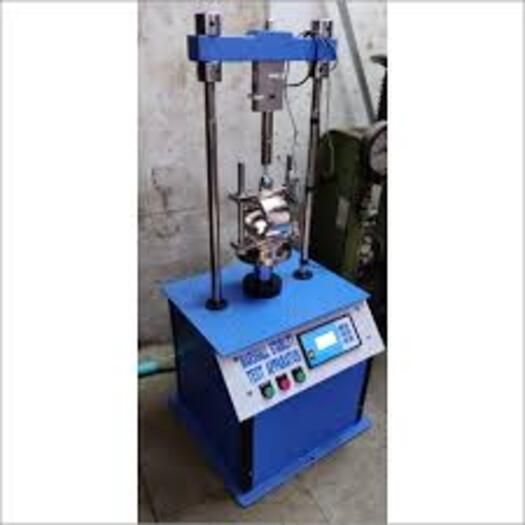
A Ductility Testing Machine is a precision laboratory instrument used to determine the ductility (elongation property) of bituminous materials. It measures the distance in centimeters to which a standard bitumen briquette specimen can be stretched before breaking under controlled conditions of temperature and speed.
This test is essential in evaluating the flexibility and adhesive properties of bitumen, ensuring durability and performance in road construction projects.
Key Features
- Motorized carriage for uniform pulling speed
- Thermostatically controlled water bath for accurate temperature maintenance
- Stainless steel inner tank for corrosion resistance
- Digital/analog temperature controller
- Capable of testing 3 specimens simultaneously
- Smooth sliding mechanism for precise elongation measurement
- Low maintenance and long service life
Technical Specifications (Typical)
- Test Speed: 50 mm/min (2.5 mm/min)
- Temperature Range: Typically maintained at 25C or 27C
- Power Supply: 220240V, Single Phase
- Capacity: 3 specimens (standard models)
- Elongation Range: Up to 1500 mm (varies by model)
- Material: Mild Steel body with stainless steel tank
Working Principle
The test involves preparing a standard briquette sample of bitumen, which is placed in a temperature-controlled water bath. The machine pulls the specimen at a constant speed until it breaks, and the elongation distance is recorded as ductility value.
Applications
- Bitumen and asphalt testing laboratories
- Highway and road construction projects
- Civil engineering colleges and R&D labs
- Quality control in pavement construction
Advantages
- Ensures accurate assessment of bitumen flexibility
- Helps in selecting suitable bitumen grade
- Improves road durability and performance
- Provides reliable and repeatable results
Available Variants
- Standard (Thermostatic) Model
- Digital Display Model
- Refrigerated Ductility Testing Machine
- Force Ductility Testing Machine (with load measurement)
Efficient and Precise Ductility TestingAchieve accurate assessment of bitumen ductility with this machine's advanced measurement capability of up to 1500 mm and temperature control accuracy within 0.5C. Tailored for both manual and motorized operation, it is suitable for laboratories prioritizing precision and repeatable results.
Versatile Capacity for Multiple SamplesWith space to test up to three moulds at once, the machine streamlines the evaluation process, making it ideal for busy labs or quality control workflows that require frequent, simultaneous testing of multiple samples.
FAQ's of Ductility Testing Machine:
Q: How do I operate the Ductility Testing Machine-manually or motorized?
A: Depending on the model, you can operate the Ductility Testing Machine either manually or with a motorized mechanism using an electric geared motor. The motorized version offers smoother and more consistent movement during testing, ensuring reliable results.
Q: What process does the Ductility Testing Machine follow for ductility measurement?
A: The machine stretches a standard bitumen sample in a controlled water bath at a set temperature. The movement continues until the sample breaks, and the ductility is measured as the elongation distance-displayed digitally or via an analog scale.
Q: When should I use the Ductility Testing Machine in a laboratory setting?
A: This machine is essential whenever you need to determine the elongation and flexibility characteristics of bituminous materials, especially for quality control in road construction or material development projects.
Q: Where is the machine typically installed and used?
A: The Ductility Testing Machine is best suited for materials testing laboratories, research centers, and manufacturing facilities involved in asphalt or bitumen product evaluation.
Q: How does the machine maintain high temperature control accuracy during tests?
A: It features a thermostatic water bath with a precise temperature control system that maintains accuracy within 0.5C. Consistent temperature ensures valid and comparable test results for all samples.
Q: What benefits does simultaneous testing of three moulds offer?
A: Testing up to three samples at once increases laboratory efficiency, reduces wait times, and allows for comparative analysis within the same test cycle, optimizing your throughput and resource utilization.

 Send Inquiry


 Send Inquiry


 Send Inquiry