Elastic Recovery Mould Get Best Quote About
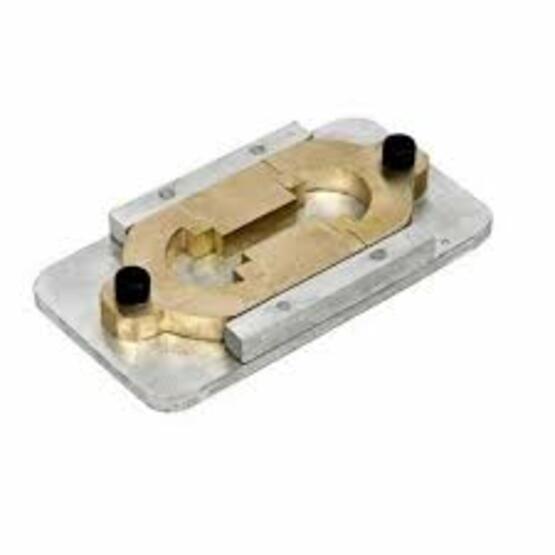
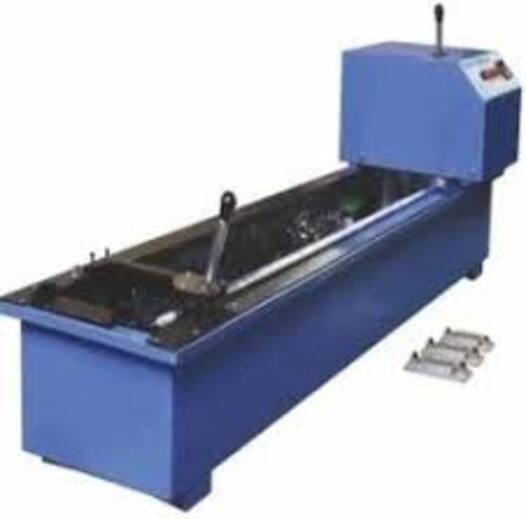
The mould is manufactured as per relevant standards such as IRC and ASTM, ensuring accurate specimen formation. It typically consists of three-part brass/gunmetal moulds designed to create a briquette specimen of precise dimensions required for elastic recovery tests.
The specimen formed using this mould is stretched and cut during testing to measure the percentage recovery of bitumen after deformation. This test is important for evaluating the performance of polymer-modified bitumen, especially in road construction.
Key Features
- Made of high-quality brass or gunmetal
- Supplied in a set of 3 moulds with base plate
- Precision-machined for accurate specimen dimensions
- Easy assembly and dismantling
- Corrosion-resistant and long service life
Technical Specifications
- Material: Brass / Gunmetal
- Standard Compliance: IRC / ASTM D6084
- Specimen Length: 75 mm 0.5 mm
- Design: Three-piece mould (clips and side plates)
- Application: Bitumen elastic recovery testing
Applications
- Bitumen and asphalt testing laboratories
- Highway construction quality control
- Research and civil engineering institutes
- Polymer modified bitumen (PMB) testing
Working Principle
A bitumen sample is poured into the mould to form a standard briquette. After conditioning, the specimen is stretched in a ductilometer and then cut. The amount of recovery after a fixed time is measured as a percentage, indicating the elastic properties of the material.
Precision Engineering for Accurate Elastic Recovery TestingThe Elastic Recovery Mould is designed with precision-machined steel, ensuring each specimen is formed accurately to meet rigorous laboratory requirements. Its durable construction and corrosion-resistant surface enhance longevity, making it reliable for frequent use. Conforming to ASTM D6084 or equivalent standards, this mould delivers consistent results essential for evaluating the elastic properties of bituminous materials used in roads.
Broad Applications in Bitumen AnalysisWidely used in laboratories involved in road construction material testing, the Elastic Recovery Mould is vital for determining the stretch and recovery behavior of bituminous materials. This application helps assess material suitability for real-world paving and roadwork conditions, allowing for quality assurance and enhanced pavement performance in infrastructure projects.
FAQ's of Elastic Recovery Mould Get Best Quote:
Q: How does the Elastic Recovery Mould work in testing bituminous materials?
A: The mould is used to prepare standardized samples of bituminous material, which are then elongated and allowed to recover. This process measures the elastic recovery after a set elongation, helping evaluate the flexibility and performance of the material.
Q: What are the benefits of using a precision-machined steel mould with a corrosion-resistant coating?
A: Precision machining ensures accurate specimen dimensions for reliable test results. The corrosion-resistant coating extends the lifespan of the mould, maintaining its accuracy and preventing contamination of samples.
Q: When should you use the Elastic Recovery Mould in laboratory testing?
A: This mould should be used whenever you need to assess the elastic recovery of bituminous materials, typically during quality control and research phases in road construction projects where material durability and flexibility are critical.
Q: Where can the Elastic Recovery Mould be sourced within India?
A: Manufacturers, service providers, suppliers, and traders across India offer this mould for laboratories specializing in construction material testing. It is important to select suppliers adhering to ASTM D6084 or equivalent standards for accuracy.
Q: What is the step-by-step process for elastic recovery testing using this mould?
A: First, bituminous material is poured into the mould and formed into a standard-size specimen. After cooling, the sample is elongated to a specified extent, held, and then allowed to recover. The length of the recovered sample is measured to determine elastic recovery.
Q: Is the mould suitable for standard bitumen test temperatures?
A: Yes, the mould is engineered to withstand the standard temperatures used in bitumen testing, making it ideal for laboratory environments where thermal stability is essential for reproducible results.
Q: Why is conforming to ASTM D6084 or equivalent standards important for this mould?
A: Compliance with such standards ensures that the test methods and results are respected and recognized universally, allowing for comparison and quality assurance across different laboratories and projects.

 Send Inquiry


 Send Inquiry


 Send Inquiry