About Jominy End Quench Apparatus
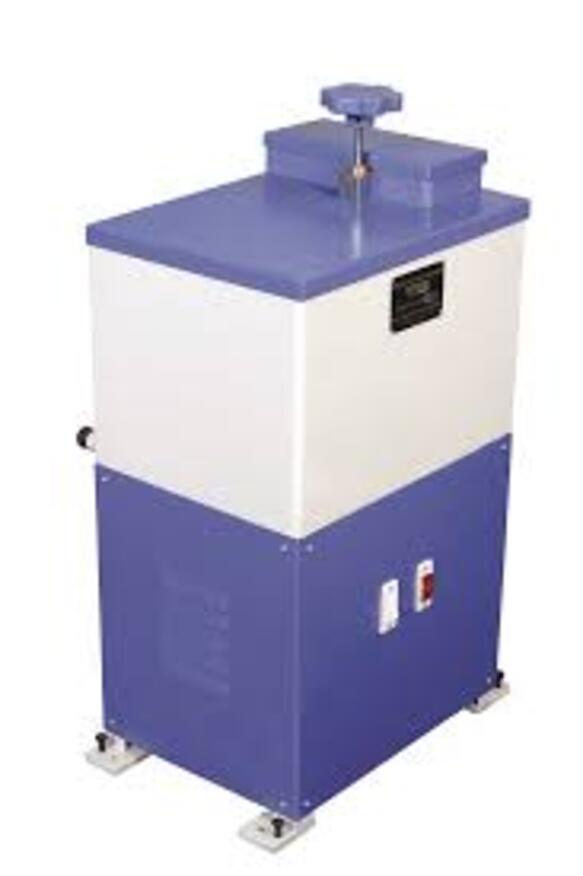
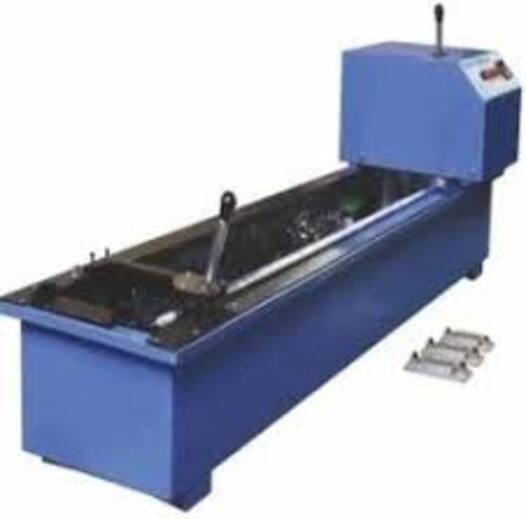
A Jominy End Quench Apparatus is a laboratory testing instrument used to determine the hardenability of steel by performing the standard Jominy end-quench test. It helps evaluate how hardness varies along the length of a steel specimen after controlled quenching, making it essential for heat treatment studies and metallurgical quality control.
This apparatus is widely used in metallurgical laboratories, steel industries, research institutes, and engineering colleges for material characterization and heat treatment analysis.
Key Features
- Robust and precision-engineered structure for accurate testing
- Standardized water jet system for controlled end quenching
- Adjustable specimen holder for proper alignment
- Stainless steel construction for corrosion resistance
- Uniform water flow for repeatable results
- Compatible with ASTM / ISO testing standards
- Easy operation with minimal maintenance
Working Principle
The Jominy test works by heating a cylindrical steel specimen to a specific temperature (austenitizing temperature) and then rapidly cooling one end using a controlled water jet. The cooling rate decreases along the length of the specimen, creating a hardness gradient.
After quenching, hardness is measured at different points to determine the hardenability of the steel.
Applications
- Steel hardenability testing
- Heat treatment process evaluation
- Metallurgical research and development
- Quality control in steel manufacturing
- Academic and engineering laboratories
- Selection of materials for industrial applications
Advantages
- Provides accurate and standardized hardenability results
- Helps optimize heat treatment processes
- Simple and reliable testing method
- Essential for material selection in engineering design
- Widely accepted international testing procedure
Technical Specifications (Typical)
- Specimen size: Standard Jominy test bar ( 25 mm 100 mm approx.)
- Water flow: Controlled and adjustable jet system
- Material: Mild steel / stainless steel frame construction
- Standards: ASTM A255 / ISO 642 compliant
- Operation: Manual or semi-automatic depending on model
Precision in Hardenability TestingThis apparatus enables standardized determination of steel's hardenability by controlling heating and quenching processes. It assures uniform water distribution for accurate and repeatable results, which are critical in metallurgical research and industrial applications.
Comprehensive and User-friendly DesignEquipped with a suite of accessories-including a stand, water tank, piezo electric buzzer, and analog/digital display-this apparatus streamlines specimen preparation and measurement. The broad temperature range ensures compatibility with various heat treatment protocols.
FAQ's of Jominy End Quench Apparatus:
Q: How does the Jominy End Quench Apparatus work?
A: The apparatus heats the test piece to a specified temperature (up to 1000C) and then rapidly quenches one end with a controlled water flow of approximately 5 liters per minute, using a water jet. This setup allows measurement of hardenability along the length of the test specimen.
Q: What is the recommended test piece size for the apparatus?
A: The recommended test piece size for this Jominy End Quench Apparatus is 25 mm in diameter and 100 mm in length, aligning with standardized testing protocols in metallurgy.
Q: Where can this apparatus be utilized?
A: Designed primarily for metallurgy laboratories, the Jominy End Quench Apparatus is also suitable for educational institutions, research centers, industrial labs, and by manufacturers, suppliers, service providers, and traders throughout India.
Q: When should the piezo electric buzzer be used during testing?
A: The piezo electric buzzer serves as an alert or indicator during specific stages of the Jominy test, such as when the specimen reaches the target temperature or when water quenching should begin.
Q: What is the benefit of using analog or digital displays?
A: Analog and digital displays provide flexibility in temperature monitoring. Digital models offer precise readings, while analog types may be preferred for their simplicity or specific laboratory setups.
Q: How does the cooling arrangement contribute to testing accuracy?
A: The water jet for end quenching ensures a consistent and uniform cooling rate, which is crucial for evaluating the hardenability gradient along the specimen.

 Send Inquiry


 Send Inquiry


 Send Inquiry