
Call: 07971191344
 Send Inquiry
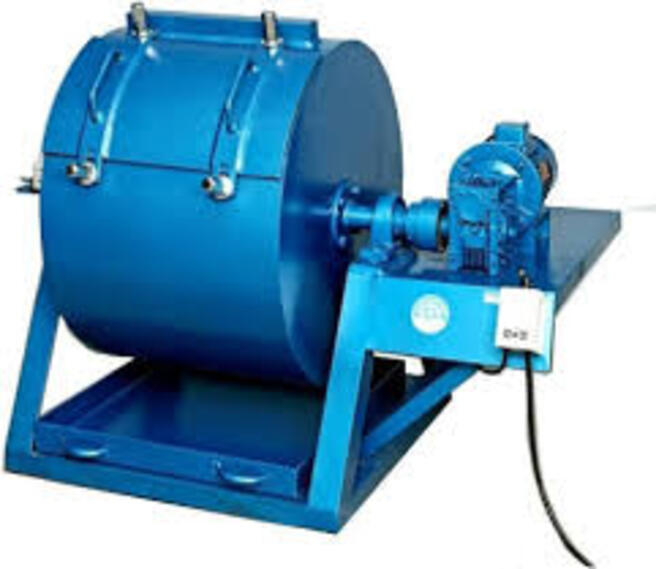
The Los Angeles Abrasion Testing Machine is a standard laboratory equipment used for determining the abrasion resistance and durability of coarse aggregates. It is widely used in highway engineering laboratories and construction material testing facilities to evaluate the suitability of aggregates for road construction, concrete works, and other heavy-duty applications.
This machine consists of a rotating steel drum mounted on a sturdy frame, along with a set of abrasive steel balls. The aggregate sample is placed inside the drum along with the abrasive charge, and the drum is rotated at a specified speed. The resulting wear and degradation of the aggregates are measured to determine their abrasion value.
Manufactured with a heavy-duty steel structure and precision-engineered components, the Los Angeles Abrasion Testing Machine ensures accurate, consistent, and reliable test results. It is designed for long-term laboratory use with minimal maintenance.
The machine rotates the aggregate sample with abrasive steel balls inside a drum. The percentage loss in weight after a specified number of rotations indicates the abrasion value, reflecting the hardness and durability of the aggregates.

Price:
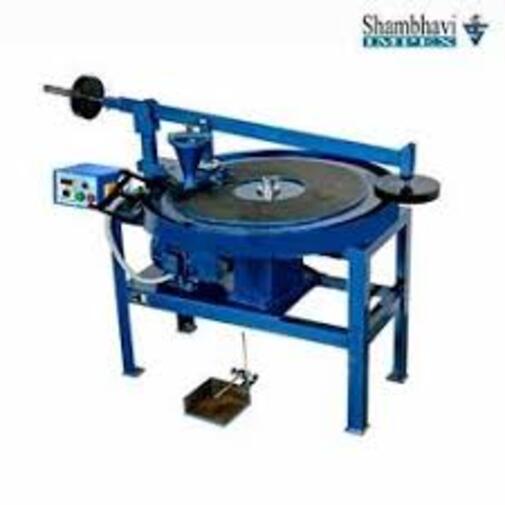
Price 75000.0 INR / Unit
Minimum Order Quantity : 1 Unit
Application : Laboratory testing of stone, aggregate and mineral specimen abrasion strength
Automation Grade : Manual
Mounting Type : Benchtop
Features : Cast iron structure, replaceable abrasion wheels, easy operation, high stability, corrosion resistant finish
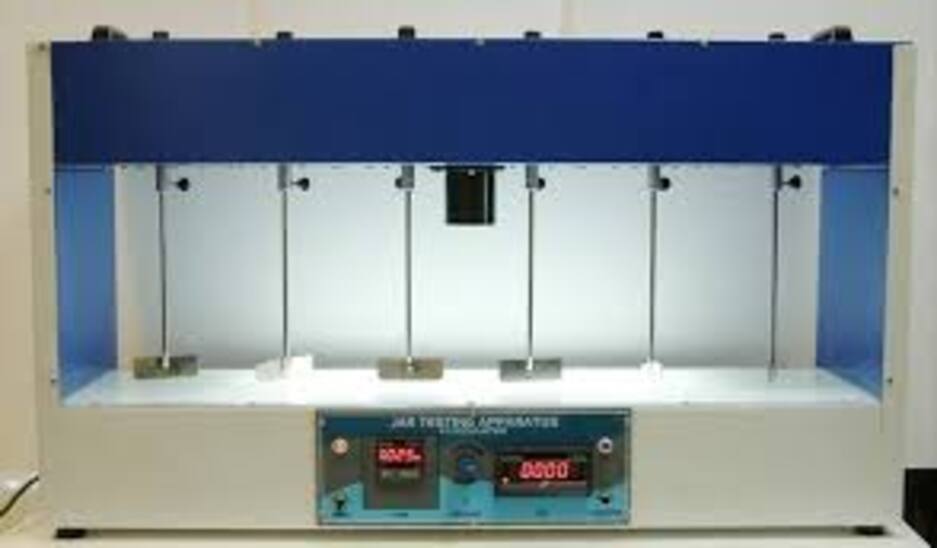
Price 25000.0 INR / Unit
Minimum Order Quantity : 1 Unit
Application : Coagulation and Flocculation Testing in Water Treatment Plants
Automation Grade : SemiAutomatic
Mounting Type : Benchtop
Features : Digital speed indicator, synchronous motor, timer, uniform illumination, easy operation
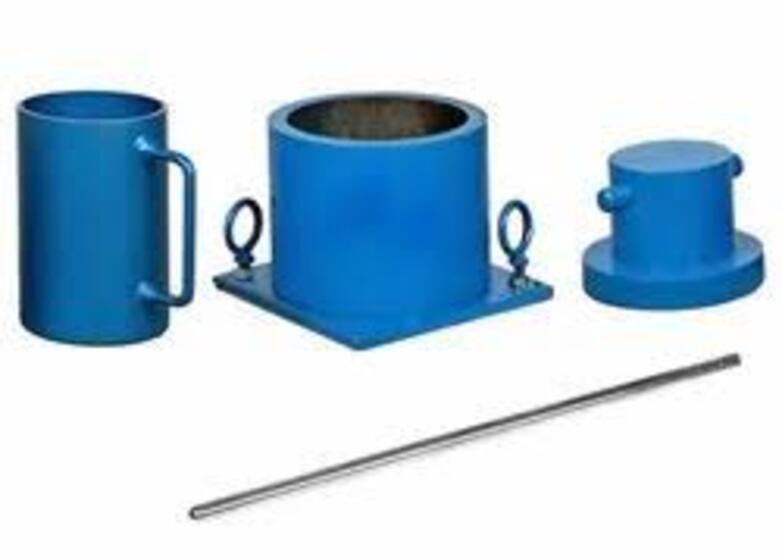
Price 6000.0 INR / Unit
Minimum Order Quantity : 1 Unit
Application : Determination of crushing strength of aggregates
Automation Grade : Manual
Mounting Type : Table/Floor mounted
Features : Heavyduty body, precision machining, removable base plate, hardened steel plunger and base plate, corrosionresistant finish
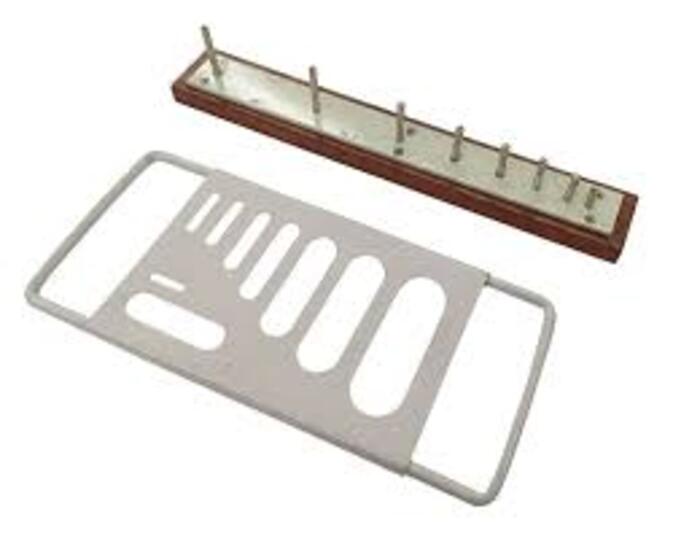
Price 550.0 INR / Unit
Minimum Order Quantity : 1 Unit
Application : Laboratory Determination of Flakiness Index of Aggregates
Automation Grade : Manual
Mounting Type : Handheld / Tabletop
Features : Portable, Stainless steel slots, Durable
GST : 36AVTPM1866A1ZE


 Send Inquiry


 Send Inquiry