Cast Iron Aggregate Impact Test Apparatus About
The Cast Iron Aggregate Impact Test Apparatus is a precision laboratory equipment used for determining the impact value of coarse aggregates, which indicates their toughness and resistance to sudden shock or impact. It is widely used in highway engineering laboratories and construction material testing facilities to assess the suitability of aggregates for road construction and concrete works.
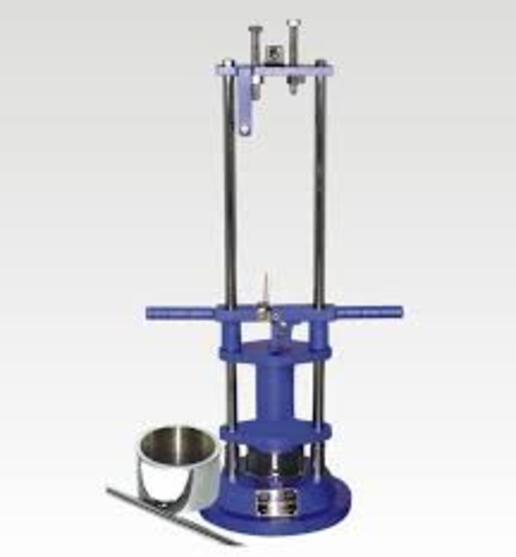
This apparatus is manufactured using high-quality cast iron, providing excellent strength, rigidity, and durability for repeated testing under heavy impact conditions. It consists of a robust base, cylindrical measure, hammer assembly, and other essential components designed as per standard specifications.
The machine delivers controlled impact blows on aggregate samples, and the resulting fines are measured to determine the aggregate impact value, ensuring accurate and reliable test results.
Key Features:
- Heavy-duty cast iron construction for long service life
- Rigid and stable base for accurate testing
- Precision-engineered hammer and guide assembly
- Corrosion-resistant finish
- Easy to operate and maintain
- Suitable for continuous laboratory use
Applications:
- Highway and road construction laboratories
- Civil engineering testing labs
- Aggregate quality control departments
- Infrastructure and pavement design projects
- Research and development institutions
Working Principle:
The apparatus subjects aggregate samples to a series of controlled impact blows from a standard hammer. The percentage of fines produced after testing indicates the impact value, which reflects the toughness and durability of the aggregates.
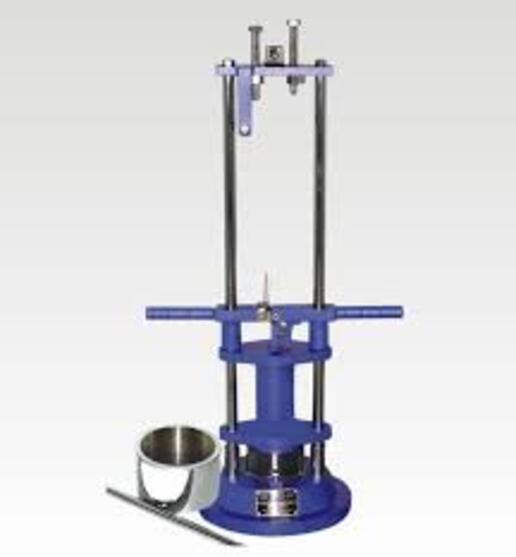
Precision and Durability for Aggregate TestingDesigned for civil engineering laboratories, this apparatus features a high-grade cast iron base and body for maximum longevity and resistance to wear. The anti-corrosive powder coating and hardened steel hammer guide ensure reliable, repeatable test results under a variety of laboratory conditions. Its manual operation mode means no power supply is needed, making it a dependable choice in diverse environments.
Complies with International StandardsThis apparatus strictly adheres to IS 2386 (Part 4):1963 and BS 812, ensuring it meets thorough international requirements for aggregate impact testing. With its standard cup diameter and calibrated hammer drop height, all measurements align precisely with industry best practices and codes, guaranteeing trustworthy results for every test.
FAQ's of Cast Iron Aggregate Impact Test Apparatus:
Q: How does the Cast Iron Aggregate Impact Test Apparatus operate?
A: The apparatus operates manually, using a swift release mechanism to drop a 13.75 kg hammer from a height of 380 mm onto an aggregate specimen. This measures the aggregate's resistance to sudden impact as specified by IS 2386 (Part 4):1963.
Q: What types of materials can be tested with this apparatus?
A: This device is specifically designed for aggregate testing of 10 mm to 12.5 mm sizes, ensuring compliance with IS 2386 standards for determining the aggregate impact value in civil engineering applications.
Q: When should aggregate impact value testing be performed?
A: Aggregate impact value testing is typically conducted during quality control of construction aggregates in civil engineering laboratories to assess material suitability for use in pavement, concrete, or road construction.
Q: Where can the apparatus be installed or operated?
A: The compact design allows installation on either a laboratory floor or table, providing flexibility in small or large laboratory spaces.
Q: What is the process for conducting a test with this apparatus?
A: To perform a test, place the aggregate sample in the standard metal cup, tamp it down with the supplied rod, and release the hammer using the manual mechanism. Record the impact results for analysis as outlined in IS 2386 (Part 4):1963 guidelines.
Q: How does this apparatus benefit civil engineers and laboratory technicians?
A: The apparatus offers high accuracy and immediate response, enabling precise aggregate impact value determination. Its durable construction, compliance with international standards, and manual, power-free operation add to its reliability and user-friendliness.