About Marshall Stability Test Apparatus
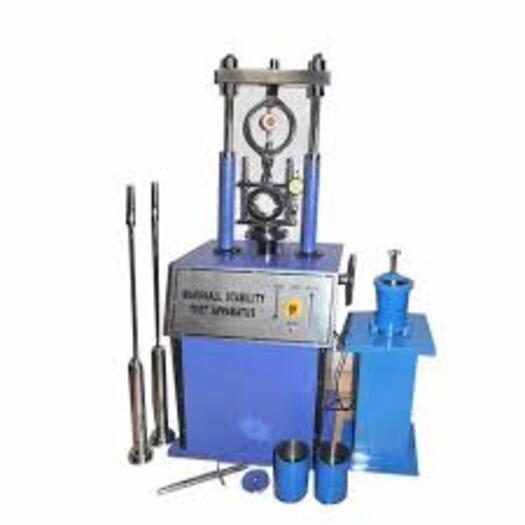
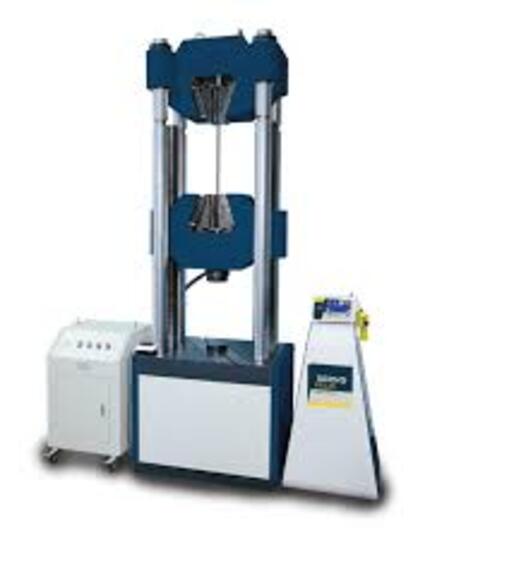
A Marshall Stability Test Apparatus is a laboratory equipment used to determine the stability and flow value of bituminous (asphalt) mixtures. It evaluates the maximum load-carrying capacity and resistance to plastic deformation of compacted specimens, which is essential for designing durable road pavements.
This apparatus is widely used in highway engineering labs, construction companies, and quality control departments for mix design and performance analysis of asphalt materials.
Key Features
- Motorized load frame with high load capacity (up to 50 kN)
- Constant loading rate of 50.8 mm/min for accurate results
- Equipped with flow measurement dial gauge
- Robust mild steel construction with long service life
- Safety cut-off switch and limit controls
- Compatible with ASTM, AASHTO, and IS standards
Technical Specifications (Typical)
- Load Capacity: 5000 kgf / 50 kN
- Speed: 50.8 mm/min
- Power Supply: 220230V, Single Phase
- Temperature Condition: Test conducted at 60C
- Specimen Size: Up to 100150 mm diameter
- Automation Grade: Manual / Semi-Automatic / Digital
Working Principle
A compacted bitumen specimen is placed in the testing head and subjected to a gradually increasing load at a constant rate. The maximum load (stability) and deformation (flow value) are recorded. These values help determine the optimum binder content and strength of asphalt mix.
Main Components
- Motorized Load Frame
- Breaking Head Assembly
- Compaction Moulds & Base Plates
- Compaction Hammer & Pedestal
- Flow Meter with Dial Gauge
- Load Transfer Bar and Accessories
Applications
- Bitumen and asphalt testing laboratories
- Road and highway construction projects
- Civil engineering colleges & research labs
- Quality control of paving materials
Advantages
- Ensures accurate mix design for road construction
- Improves pavement strength and durability
- Provides reliable and repeatable test results
- Essential for quality assurance in asphalt works
Precision in Asphalt TestingEngineered to meet industry standards, the Marshall Stability Test Apparatus is pivotal for evaluating the load-bearing capacity of bituminous mixes used in pavement construction. Its robust mild steel construction coupled with a powder-coated finish ensures reliable performance and long service life, making it an indispensable tool for material testing laboratories.
User-Friendly Operation and AccessoriesEquipped with an intuitive analog display and a set of essential accessories, including a specimen extraction tool, breaking head, cylindrical mould, and base plate, the apparatus streamlines the testing process. Its straightforward setup and operation allow for efficient laboratory workflows and accurate results every time.
FAQ's of Marshall Stability Test Apparatus:
Q: How is the Marshall Stability Test Apparatus used in pavement material testing?
A: The apparatus is used to determine the stability and flow values of bituminous samples. A prepared specimen is placed in the cylindrical mould, loaded with a plunger until failure, and the maximum load (stability) is recorded on the analog display.
Q: What are the primary components and materials of construction for this apparatus?
A: The apparatus is constructed from mild steel with a powder-coated finish for enhanced durability and corrosion resistance. Key components include a 102 mm diameter by 64 mm height specimen mould, 50 mm diameter plunger, and an analog force display.
Q: When should the Marshall Stability Test Apparatus be used during pavement design?
A: This apparatus is typically employed during laboratory mix design or quality control phases to assess the performance of bituminous mixes before their application in road construction projects.
Q: Where is this apparatus most commonly utilized?
A: It is widely used in civil engineering testing laboratories, research institutions, and by road construction companies for evaluating bituminous pavement materials.
Q: What is the process for testing with this apparatus?
A: A compacted bituminous sample is placed in the breaking head and subjected to a steadily increasing load via the plunger. The stability and deformation (flow) at failure are measured and used to analyze the efficacy of the pavement design.
Q: What are the main benefits of using this test apparatus?
A: The main benefits include precise measurement of pavement material properties, improved quality assurance in mix designs, enhanced durability of road surfaces, and increased confidence in pavement performance.
Q: Which accessories are included to assist in the testing process?
A: The standard package includes a specimen extraction tool, breaking head, cylindrical mould, and base plate to facilitate accurate and efficient testing procedures.

 Send Inquiry


 Send Inquiry


 Send Inquiry